
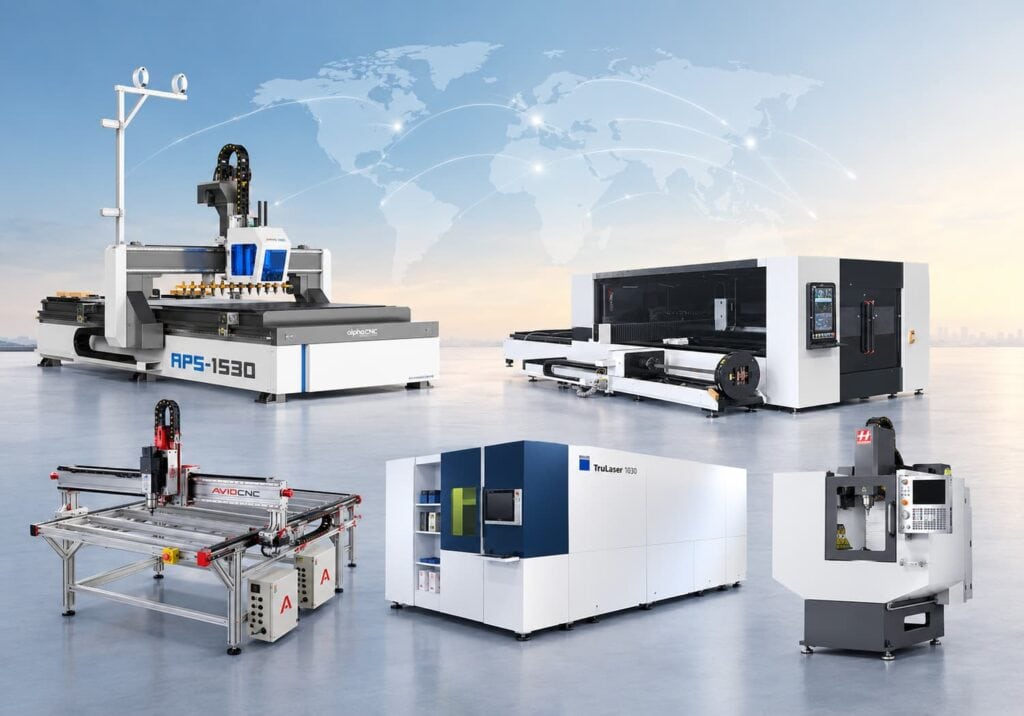
Not all CNC machines claimed to be capable of machining metal are suitable for your machining needs. Based on real manufacturers’ manufacturing experience, this article will introduce 6 different types of metal CNC machines. It aims to help you make an informed choice after understanding the features, suitable applications, advantages and disadvantages, and prices of these machines.
1. Key Requirements for Metal CNC Machines
When choosing a CNC machine, you need to focus on the following four aspects. They directly affect what materials the machine can process, processing efficiency, and long-term machine operation.
Rigid Machine Frame
Metal cutting generates large cutting forces, so the machine frame needs to have sufficient rigidity to reduce vibration and maintain machining accuracy. Cast iron beds have better vibration damping performance than aluminum profiles. Under the same cutting parameters, a heavy-duty machine body can control workpiece dimensional errors within 0.02 mm, while a lightweight machine body may have deviations of 0.05–0.08 mm or more.
Spindle Power, Torque & Rotational Speed
Spindle power, torque, and speed range need to match the machining material, cutting tools, and cutting load. For example, when cutting thin aluminum panels, a spindle power of around 6–9 KW is sufficient. Aluminum has low cutting resistance but is prone to sticking to the cutting tool, so you should prioritize a high maximum spindle speed. The torque requirement is relatively low.
Cooling and Lubrication System
For CNC metal milling, it is very important for the machine to be equipped with a suitable cooling and lubrication system. When machining aluminum, a CNC metal router is recommended to be equipped with an oil mist cooling system to help improve the machined surface quality. When continuous milling of stainless steel is required, a liquid cooling system is recommended.
Safety Features
Metal chips accumulate on the CNC machine for metal. If they are not cleaned in time, they will scratch precision transmission components and affect the surface quality of the workpiece.
High-speed rotating cutting tools and flying metal chips can pose safety hazards. A CNC router for metal needs to be equipped with a protective cover, an observation window, an emergency stop device, etc. For laser metal cutting, you should choose a machine equipped with a laser protective enclosure, a monitoring system, and a smoke collection system.
2. Types of CNC Machines for Metal Fabrication
There are three common types of CNC machines for metal work: CNC metal router, metal CNC milling machine, and fiber laser cutting metal machine.
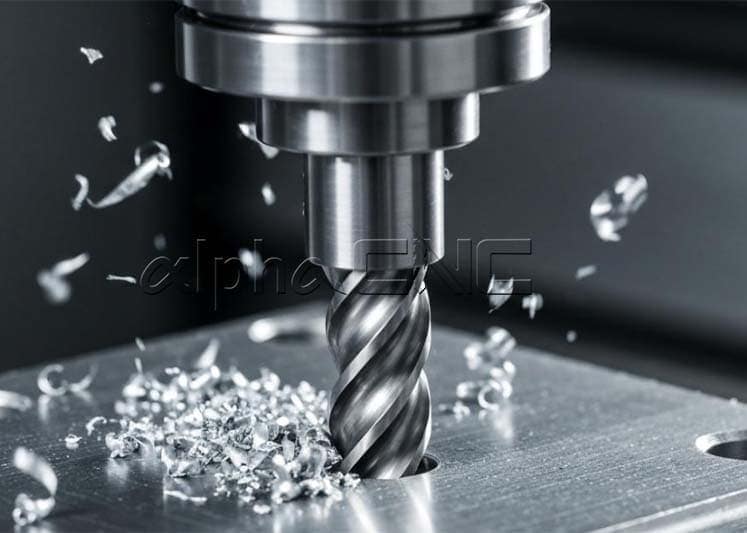
Depending on the specific configuration, a CNC router can perform cutting, drilling, and slotting on thin aluminum sheets and some non-ferrous metals; a CNC milling machine is more suitable for machining parts with high requirements for machine rigidity, machining accuracy, and metal cutting capability; a fiber laser cutting machine can cut steel and stainless steel, and can also perform tube cutting.
Quick Comparison Chart
You can refer to the following table to view the relevant information about the 6 CNC metal machines and help you quickly narrow down your selection.
| Metal CNC Machine | Machine Type | Working Area/Axis Travel | Suitable for | Spindle Speed(Max) | Price Range (Depending on Configuration) |
| Avid CNC PRO60120 | CNC Router | 1559 × 3156 mm | Woodworking, aluminum machining | 24,000 rpm | $13,000–$25,000 |
| Alpha APS-1530 with ATC | CNC Router | 1500 × 3000 mm | Furniture cabinets, advertising signs, aluminum machining | 24,000 rpm | $10,000–$15,000 |
| Haas Mini Mill | CNC Milling Machine | 406 × 356 mm | Precision mechanical parts | 8,000 rpm | $35,000–$47,000 |
| Tormach 1100MX | CNC Milling Machine | 457 × 279 mm | metal parts, prototype | 10,000 rpm | $20,000–$40,000 |
| TRUMPF TruLaser 1030 fiber | Fiber Laser Cutting Machine | 3000 × 1500 mm | Sheet metal processing, automotive parts, mechanical equipment | Not applicable | $250,000–$350,000 |
| Alpha ATF-3015ED-220R | Fiber Laser Cutting Machine | 3000 × 1500 mm | Automotive brackets, steel structures, agricultural machinery, and tubes | Not applicable | $18,000–$25,000 |
3. Best CNC Router for Aluminum
If you mainly process large-format thin aluminum plates and want to balance other plates, you can prioritize choosing a CNC router.
3.1 Avid CNC PRO60120

The Avid CNC PRO60120 is a large-format CNC router with a 5 × 10 ft working area. The machine uses an aluminum profile and steel plate structure and is equipped with profile linear guides, a Z-axis ball screw, and a rack-and-pinion transmission system.
Best for
This machine is suitable for sign manufacturers, custom machining workshops that need to process large-format aluminum sheets, and factories that produce aluminum parts, plastic sheets, and wooden panels at the same time.
Pros
- Large-Format Machining: The 5 × 10 ft working area is suitable for processing full sheets and can reduce the need for segmented machining due to workpiece size limitations
- Configurability: The drive system, spindle, and optional accessories allow you to add certain functions at a later date.
- Material Compatibility: Primarily intended for use with aluminum, it also works with sheet materials.
Cons
- Small-Part Machining: If your workpieces are relatively small, purchasing large machinery may lead to wasted equipment capacity and space.
3.2 Alpha CNC APS-1530 ATC CNC Router
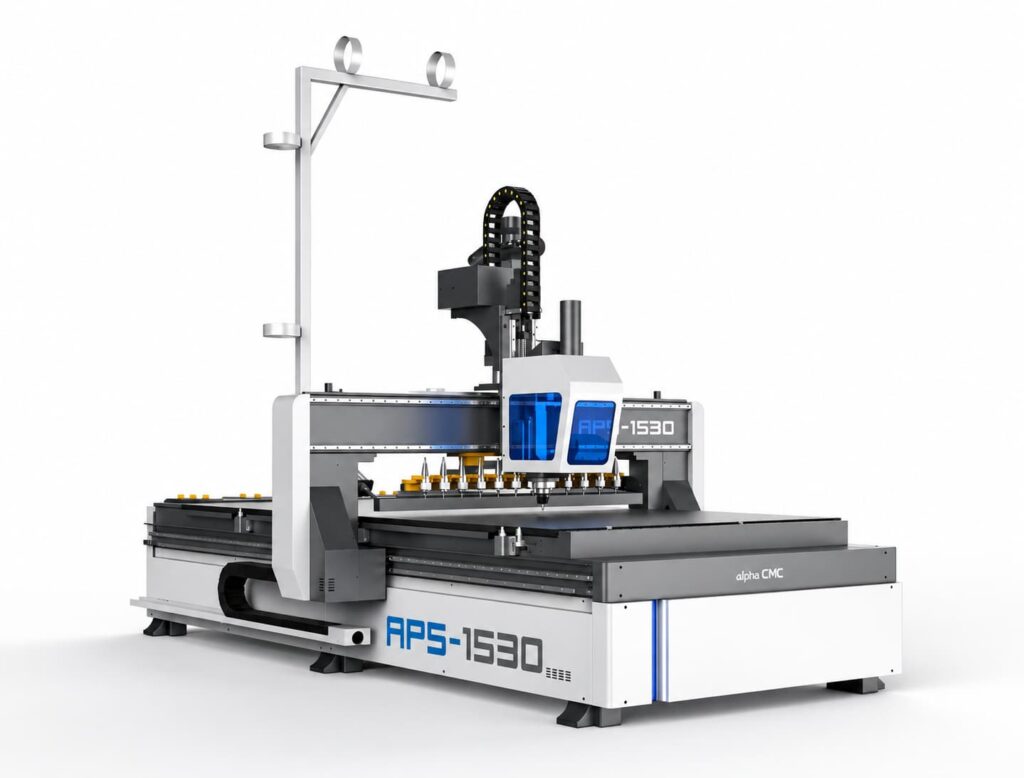
Alpha CNC APS-1530 is an ATC CNC router with a working area of 1500 × 3000 mm, all with a heavy-duty frame, linear guides, servo drive, and automatic lubrication system. It also comes with automatic tool-changing function in the machine and a tool magazine with a capacity of 12 tools or more. It also offers 18 kW or more spindles for machining dedicated to metal as an option.
Best for
APS-1530 CNC router is suitable for batch processing of aluminum sheets and other sheet materials used by furniture and cabinet factories, sign manufacturers, and production companies. Continuous processes such as contour cutting, slotting, drilling, etc., in workpieces requiring many operations can be performed with the ATC to reduce tool changes and downtime. The machine can also be used for machining wood, MDF, acrylic, plastics, and composite materials.
Pros
- Multi-Process Production: It can automatically help you to perform multiple machining operations on the same block of material, reducing the operator from constantly having to change tools.
- Fast Pre-Sales and After-Sales Response: The Alpha CNC team has a high level of professionalism and can respond to your needs in a timely manner.
- Custom Configuration Possible: If your materials, thickness, or machining methods are relatively niche, you may consult directly with the manufacturer about the configuration before purchasing instead of being limited to standard machine models.
Cons
- Processing Capability: Not suitable for heavy steel billet milling.
4. Best CNC Mill Machine for Metal
If you are processing metal parts with holes, cavities, or three-dimensional structures and have high requirements for machine rigidity and cutting ability, you can consider CNC milling machines.
4.1 Haas Mini Mill
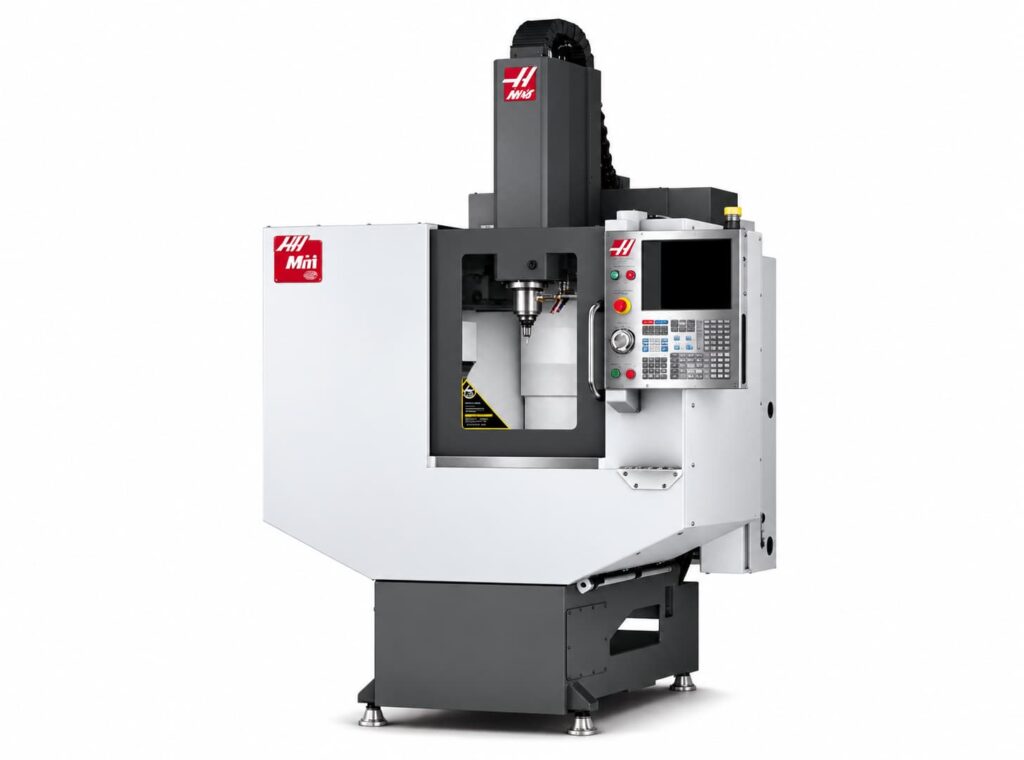
The Haas Mini Mill is a compact vertical CNC machining center. Other than traditional metal milling, another feature is the mature industrial equipment ecosystem, with its own entire system of unified CNC, accessories, and automation solutions.
Best for
If you have a large machining center and need to machine complex or large parts, you may want to look into the small CNC milling machine for custom machining aluminum brackets, fixtures, and small mechanical parts, in order to make strategic equipment and production schedule decisions.
Pros
- Mature System: You can evaluate supporting options, maintenance support, and automation solutions according to actual production needs, reducing the difficulty of planning for future expansion.
- Expansion Needs: This CNC machine can be fitted with automation such as automatic loading and unloading, conveyor systems, or rotary tables.
Cons
- Limited Workspace: The working range and clamping space are limited, which may restrict the processing of large workpieces.
4.2 Tormach 1100MX
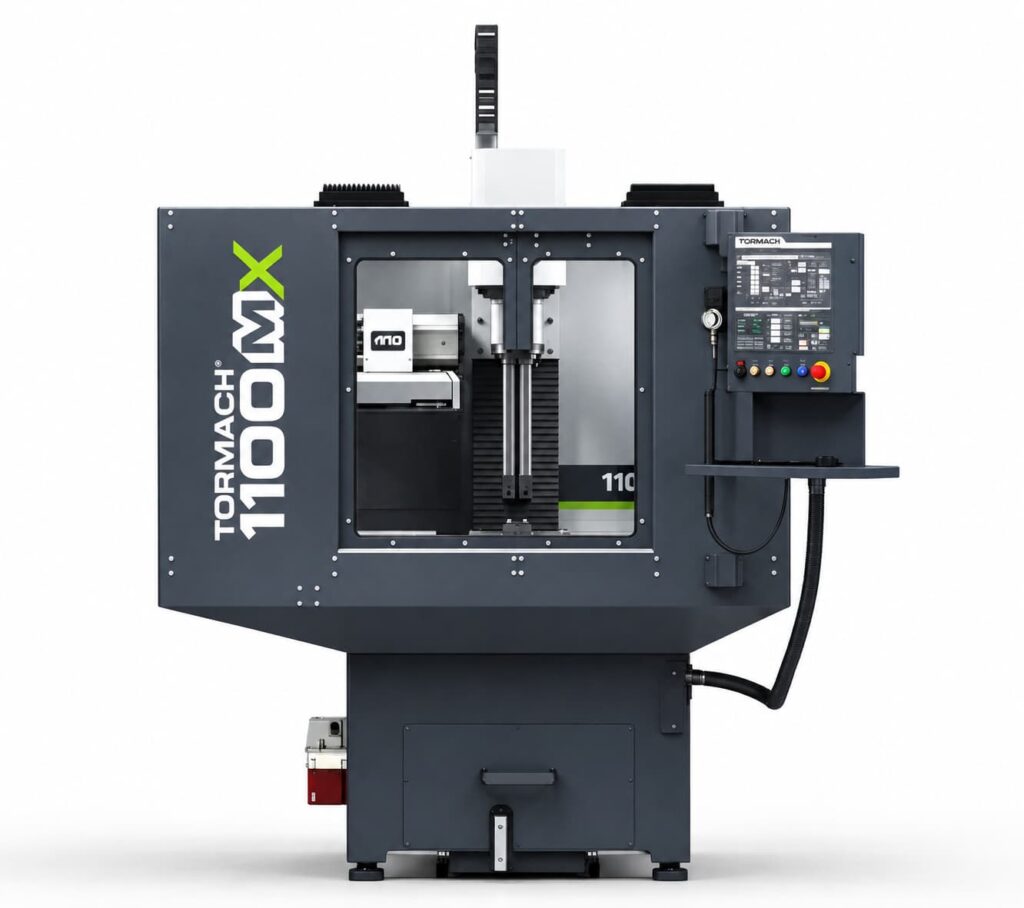
The Tormach 1100MX is designed for small manufacturing businesses, custom machining workshops, and prototyping applications. It uses the PathPilot control system, supports conversational programming for some common machining operations, and can also work with CAD/CAM software to machine more complex parts.
Best for
This CNC milling machine is also worth taking into account if you need to create metal prototypes of products, tooling fixtures, equipment accessories, or small custom parts.
Pros
- Suitable for Gradually Developing Programming Skills: PathPilot’s conversational programming can assist you in completing some common machining operations, but complex parts may still require CAD/CAM programming and corresponding operating experience.
- Suitable for High-Mix, Low-Volume Production: If your orders change frequently or you need to repeatedly make prototypes and specialized fixtures, this type of machining requirement is relatively well matched to its application positioning.
Cons
- Cutting Capability: The standard spindle power is 1.5 kW. Not designed for the mass production of steel.
- Necessary Machining Skills: You also need to master basic knowledge such as workpiece clamping, tool selection, cutting parameter settings, and machining safety.
5. Best Fiber Laser Machine for Steel
If your core job is contour cutting of metal plates such as steel plates and stainless steel plates, you can invest in fiber laser cutting machines.
5.1 TRUMPF TruLaser 1030 Fiber
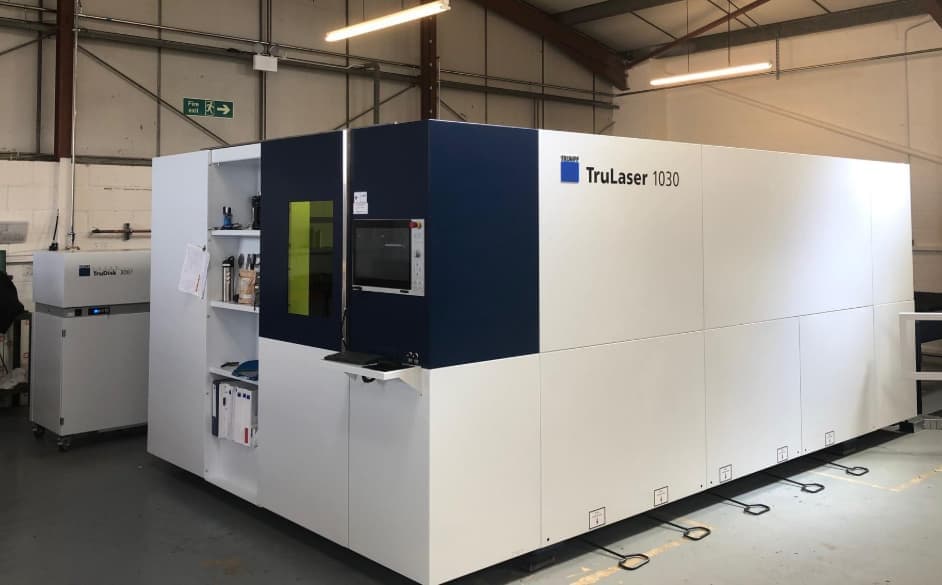
Its largest processing area is 3000 × 1500 mm, with various laser configurations allowing it to cut carbon steel, stainless steel, aluminum, copper, and brass.
Best for
TRUMPF positions this series as laser cutting equipment suitable for long-term production. Therefore, this metal CNC machine is more suitable for sheet metal processing factories, machinery manufacturing companies, and production businesses that need to operate laser cutting equipment over the long term. For example, you need to continuously produce steel structural components, equipment enclosures, mechanical parts, or aluminum panels in different specifications.
Pros
- Easy to Operate: The Touchpoint control interface is designed to be intuitive, and technicians can quickly become proficient in operating it.
- Good Cutting Quality: Technologies such as BrightLine fiber help achieve smooth cutting edges.
Cons
- High Initial Investment: The machine is very expensive, making it too high a barrier for users who only want to experience a short-term return on investment.
- Production Requirements: Space, installation, power, material handling, and automation should be planned.
5.2 Alpha CNC ATF-3015ED-220R Fiber Laser Cutting Machine
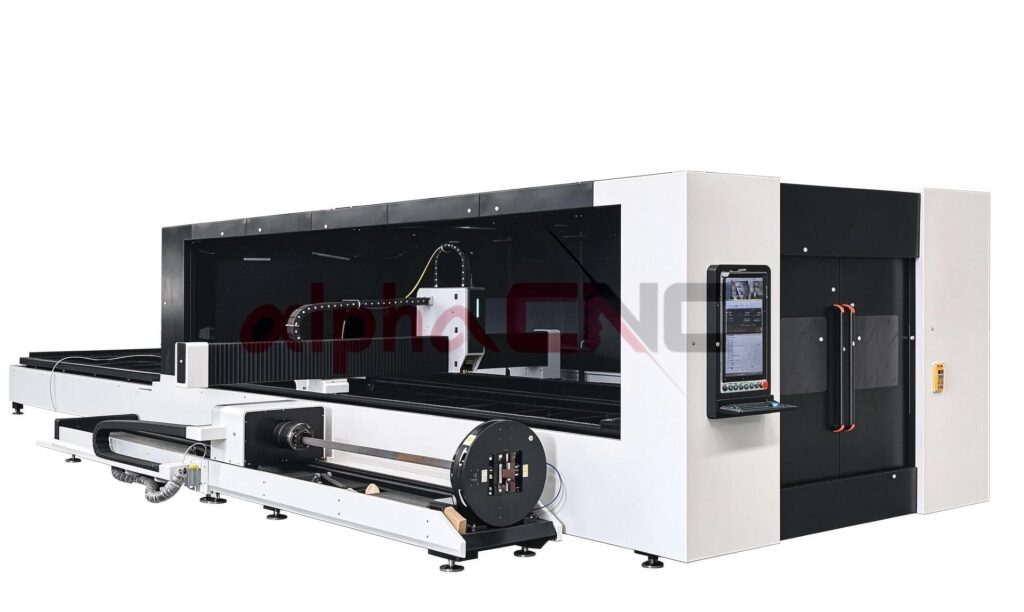
The feature of the ATF-3015ED-220R is that it combines sheet cutting, tube cutting, fully enclosed protection, and an exchange table in one machine. For metalworking factories that have orders for both sheets and tubes, there is no need to purchase two separate machines. The laser power can be configured according to the actual material and thickness.
Best for
This metal cutting CNC machine is suitable for businesses that want to expand their order range. It also helps control equipment purchasing costs. It is suitable for processing metal furniture, advertising signs, machinery manufacturing, and building steel structures.
Pros
- Flexible Processing Range: The integrated sheet and tube design can meet the processing needs of different types of workpieces, reducing the need to purchase two types of equipment separately.
- Fully Enclosed Design: It restricts laser radiation, cutting sparks, and smoke from spreading outside the work area.
- High Production Efficiency: Switching workstations reduces loading and unloading time, suitable for batch board production scenarios.
- Professional CNC Machine Manufacturer: Direct factory manufacturing with ISO/CE certification, 100% accuracy testing before shipment, and global English engineering support.
Cons
- Footprint: Laser cutting machines have a relatively large footprint, so sufficient space must be reserved in advance.
6. FAQ
Can a CNC Router Cut Steel or Stainless Steel?
No. A CNC router, mostly used for woodworking, is not for cutting steel and stainless steel because its frame rigidity, spindle, and cutting tools may not hold up to machining this type of material. Although a few CNC routers are able to machine certain metals under relaxed conditions, you have to know the machine’s real machining ability first. In case your project uses steel or stainless steel, you should consider a CNC milling machine first.
What Metals Can a Fiber Laser Cutting Machine Cut?
A fiber laser cutting machine cuts some common materials like steel, stainless steel, aluminium and brass if machine configuration is supported and machine can handle the material and thickness. The actual cutting performance of the laser is determined by the laser power, the properties of the material, and the cutting parameters.
Is a CNC Mill Worth It for Small-Batch Metal Prototyping?
For workshops regularly machining metal prototypes, custom fixtures, or small-batch parts, a compact CNC mill is a high ROI investment. The CNC milling metal machine is suitable for machining parts with holes, grooves, and complex structures. The actual machining accuracy depends on the machine’s performance, cutting tools, material, and machining process.
Do I Need a Coolant System for Metal Machining on a CNC Router?
Not necessarily. Oil mist cooling is useful for light aluminum machining. Oil mist cooling atomizes some cutting fluid and uses compressed air to spray it over the cutting tool and workpiece. It cools the cutting area, lubricates, and helps move chips away from the machining site.
What Is the Typical Price Range for Metal CNC Machines?
The CNC router for aluminum/soft metals: $ 10,000- $ 25,000+;The CNC milling machine for metalworking: $20,000-$47,000+; A fibre laser cutting machine: $ 18,000+. These prices listed are for informational purposes only and are not official market rates. When purchasing, you also need to consider the actual machining materials, workpiece dimensions, and production requirements, and include the costs of cutting tools, installation, accessories, and other necessary equipment in your budget.
Final Thought

Now, you should already know which CNC machines are suitable for metal machining. However, the machining materials, workpiece dimensions, and order batches vary from one workshop to another. Simply choosing a machine based on the list can easily lead to purchasing equipment with excessive performance or equipment that cannot meet the process requirements.
If you are looking for metalworking equipment suitable for your workshop, Alpha CNC can configure a suitable metal CNC machine according to your machining needs. Don’t hesitate. Send us your requirements now to get a customized solution and an accurate quotation.


