
Introduction
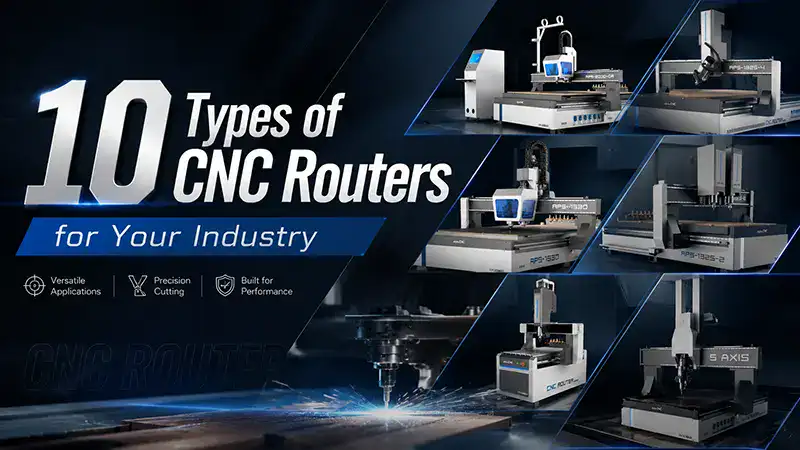
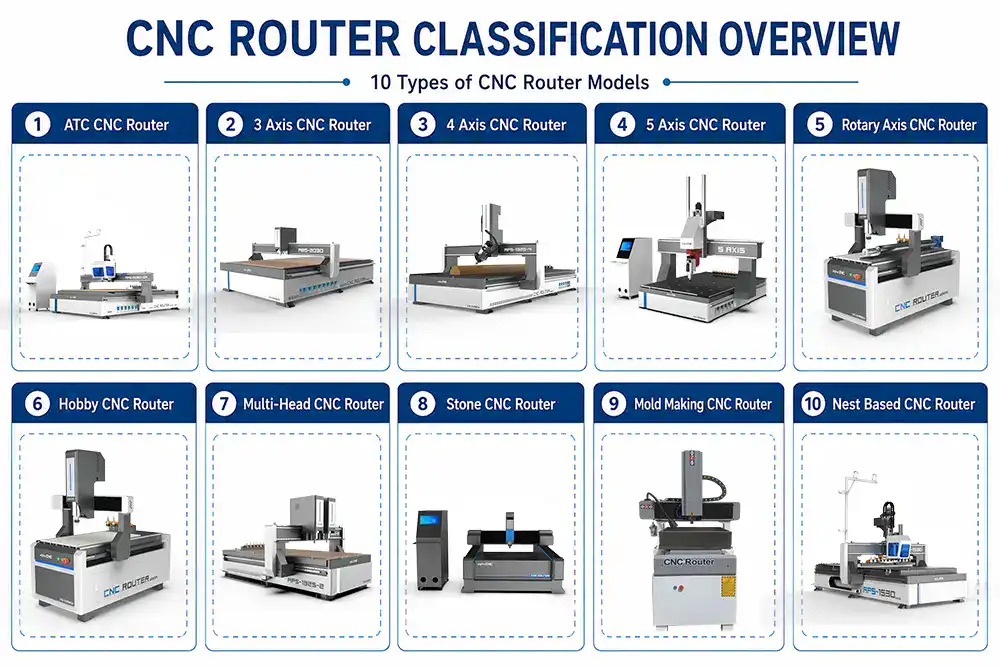
CNC routers are essential for woodworking, sign making, acrylic fabrication, stone processing, and 3D mold manufacturing. But not all machines are the same. This guide breaks down 10 types of CNC routers, what each one does, and helps you understand them—so you get the best return on your investment.
CNC Router Category Overview
Types of CNC Routers
ATC CNC Router
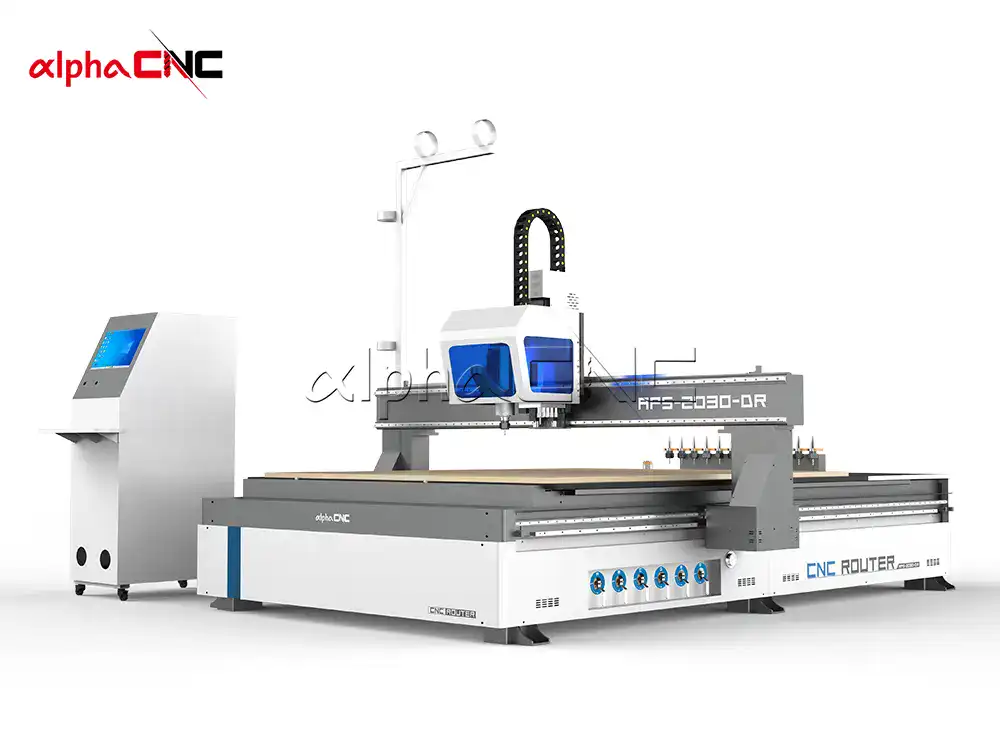
An ATC CNC Router comes with an automatic tool changer. That alone puts it in a different league—industrial-grade, built for serious output.
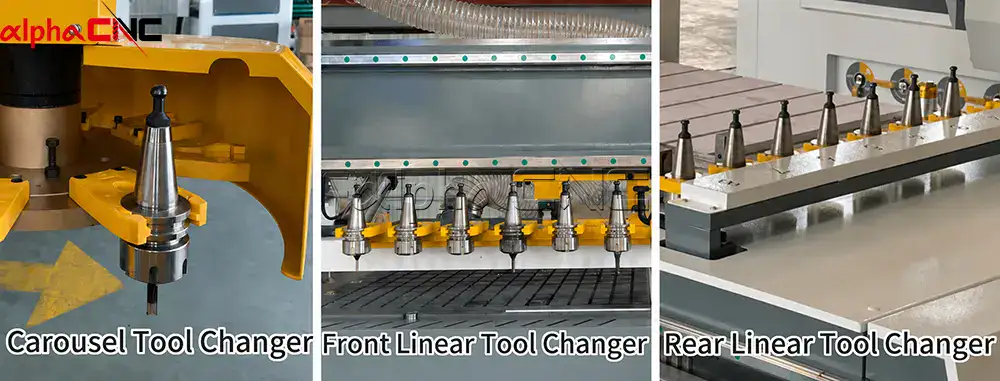
Based on their structural differences, common types of tool magazines include the linear-row type and the carouse type.
Advantage:
- The A stands for automatic. It switches tools in 3–15 seconds, depending on the tool changer type.
- One setup handles cutting, grooving, drilling, and carving on a full sheet.
- Less manual work means fewer mistakes and better stability.
- It also handles complex jobs like 3D carving, cabinet making, and custom furniture.
- Based on what our customers see, ATC boosts efficiency by 30%–60%. Great for multi-step work and medium to large production runs.
Shortcoming:
- An ATC machine will set you back at least $5,000 more than a standard industrial CNC router.
- Plus, it needs a better control system—think servo drives and professional control system.
- All those extra components (tool changer, pneumatics, auto tool setter, ATC CNC router spindle) also mean more things that can break or need upkeep.
- In order to reduce the possibility of machine down, and to avoid wasting your time, please don’t skip on quality. A reliable machine makes all the difference.
Applicable industries
These CNC routers with ATC machines are a good fit when you’re dealing with multiple tools, batch runs, and want to automate as much as possible. Alpha not only offers the 1325 ATC CNC router, but also other sizes such as 1530/1928/2030/2040.
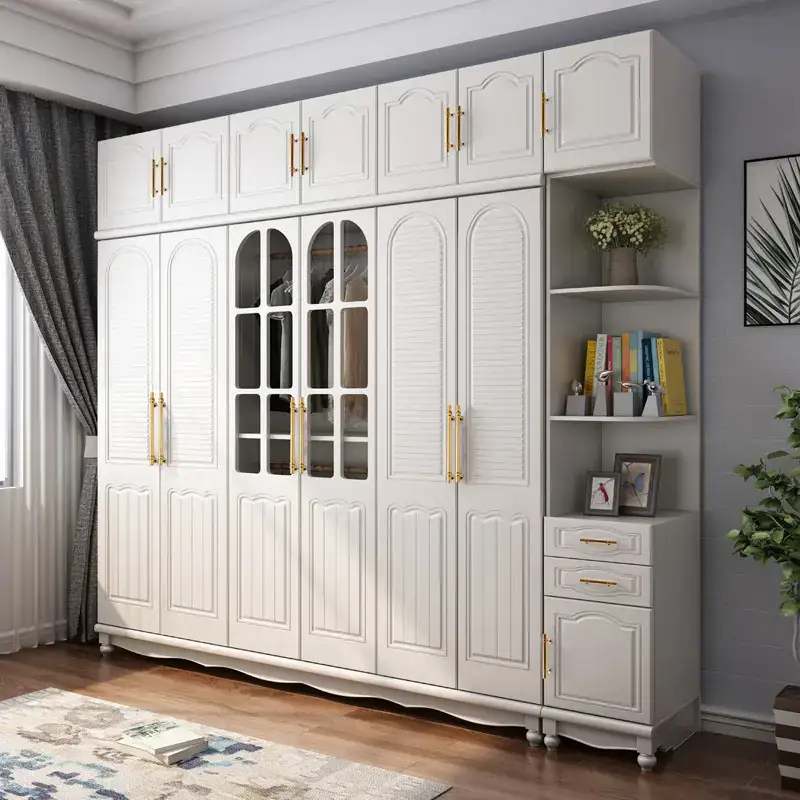
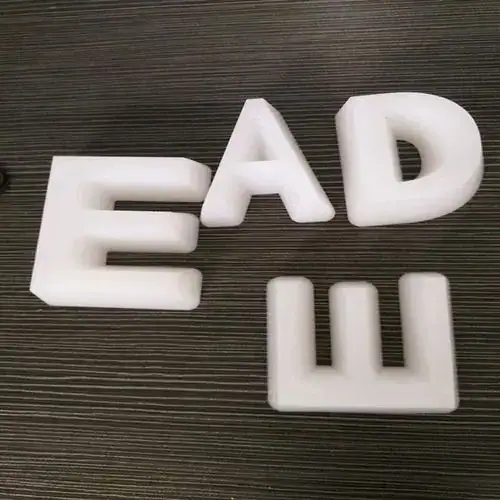
Examples? Custom furniture shops, cabinet making, wooden door carving, panel production lines, mold making, advertising letters, signage, and 3D machining.
Unsuitable industries
If all you do is cut panels, run simple carvings, or use just one tool at a time, you don’t need ATC.
For a small startup woodshop, a low‑volume shop, or anyone on a tight budget, router CNC atc is not for you.
3 Axis CNC Router
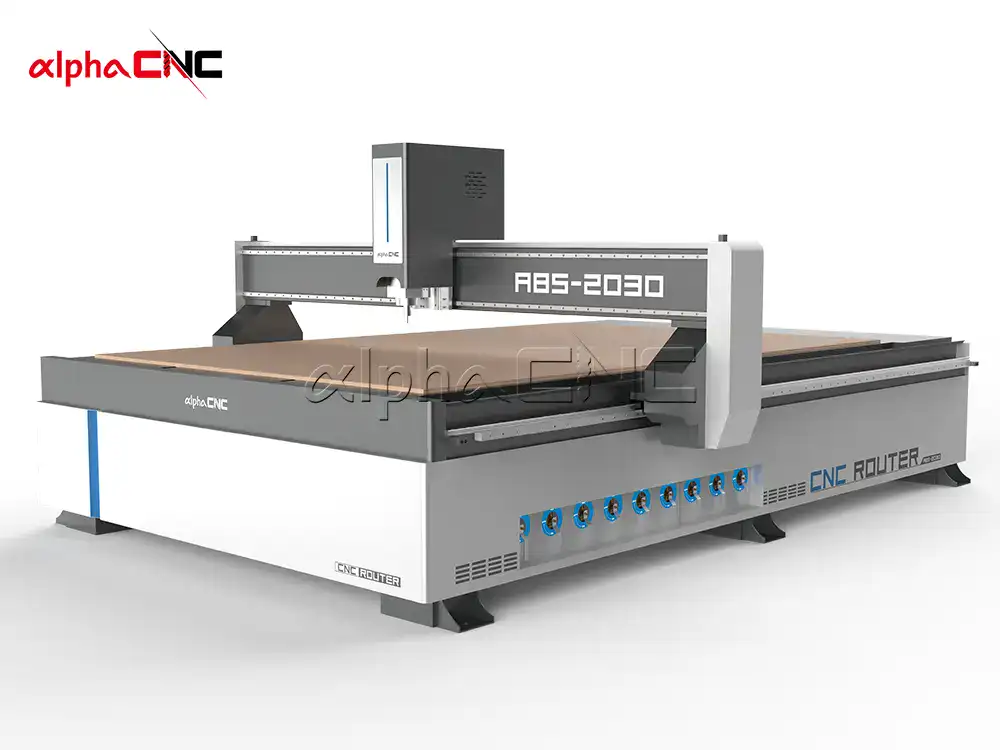
3 Axis CNC Router is the most basic type of CNC router and also the most common one out there. Simple build, low cost, easy to learn, and works for all kinds of jobs. That’s why so many small and mid‑sized shops use them.
Advantage:
- Lowest cost-This one won’t break the bank. If you’re just starting out, it’s the most affordable option we offer.
- Easy to run-No fancy tool changer. No advanced programming degree required. Most beginners get the hang of it in one to two weeks.
- Low maintenance-Fewer parts mean fewer things that can fail. You’ll spend less time fixing and more time cutting.
- Covers most jobs-Flat cutting, carving, nesting, drilling-it handles all of that. For furniture, signs, or general woodworking, this machine takes care of roughly 70–80% of what you’ll throw at it.
Shortcoming:
- A 3-axis router CNC can’t handle complex curved surfaces or side machining.
- No automatic tool change either.
- You’ll need more manual work, and that slows down production.
Applicable industries
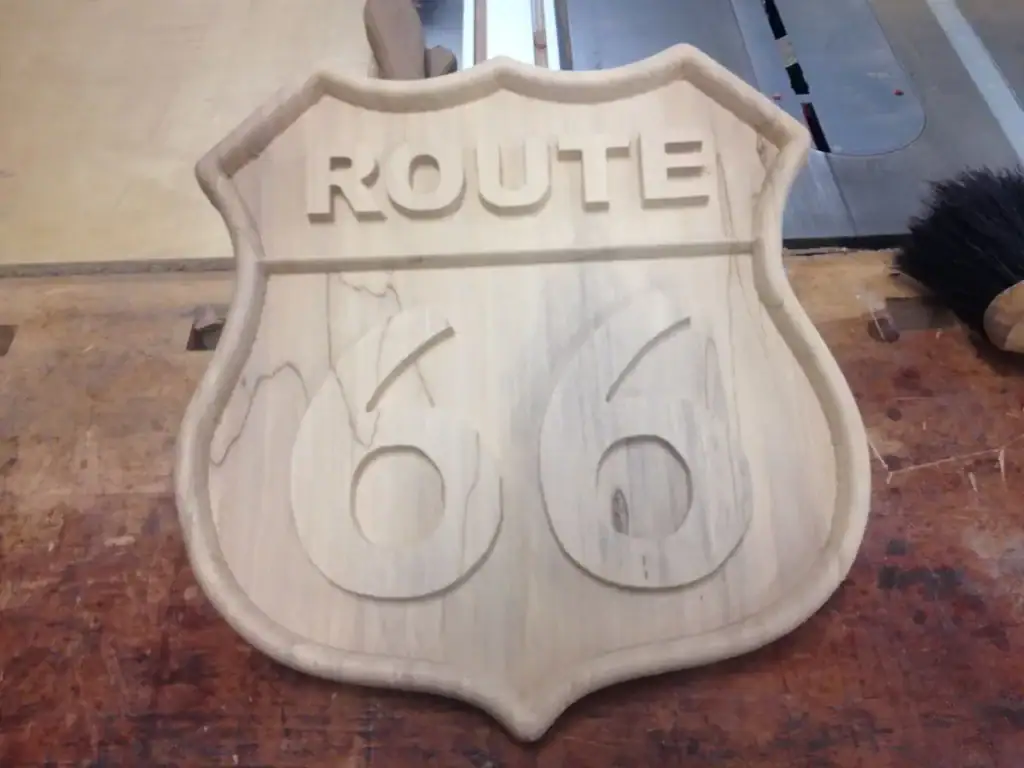
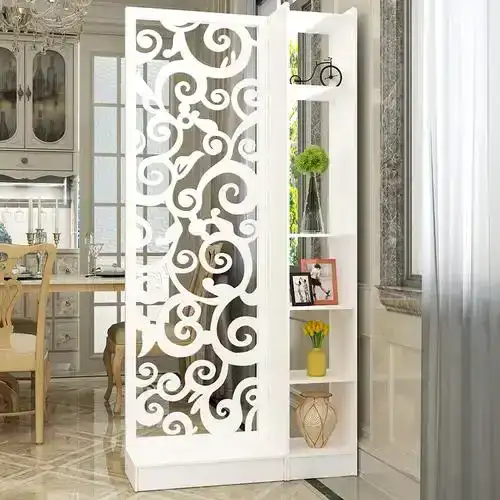
You’ll find these machines doing a lot of flat cutting, carving, and basic 3D work.
Think simple furniture, sign making, wood carving, acrylic and plastic fabrication, architectural trim, plus schools and maker spaces.
Unsuitable industries
This basic type of CNC router isn’t a good fit for furniture factories, door manufacturing, or high‑end custom shops that run large volumes. Limited features and low efficiency will hold up your orders.
4 Axis CNC Router
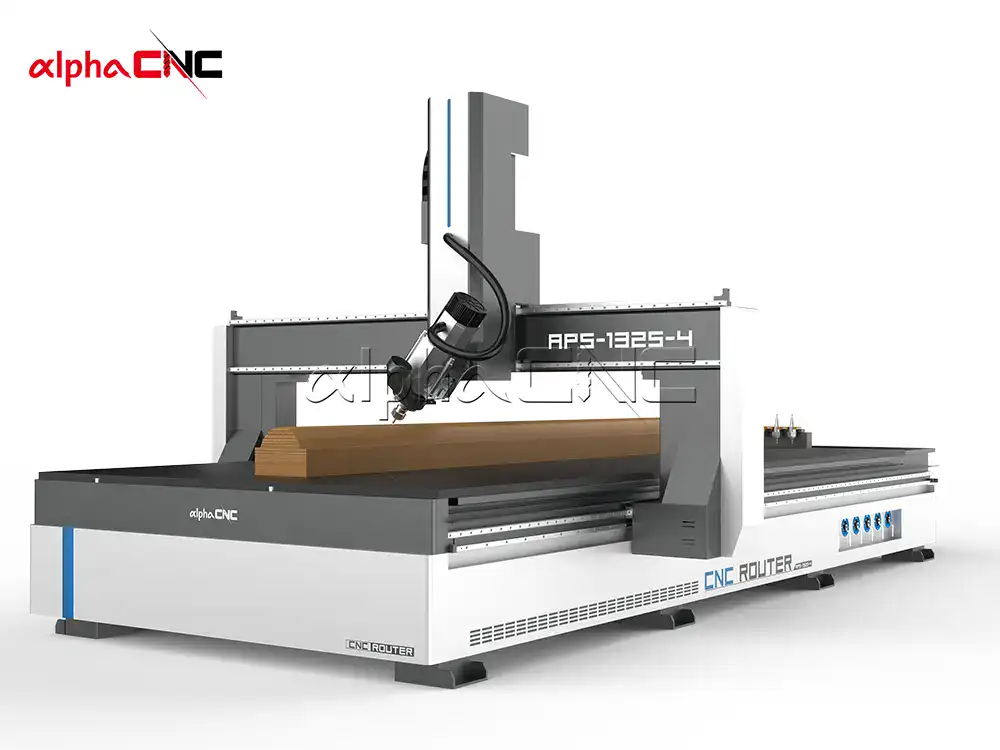
A 4-axis machine takes the standard 3-axis setup and adds a rotating axis.
Advantage:
- This type of cnc router does what a three‐axis machine can’t.
- More power, true 3D carving. Curved surfaces, molds, full‐shape carving, and 3D parts—4 axis cnc router machine can handle all of that.
Shortcoming:
- Costs more than a 3‐axis, but still struggles with really tricky curved surfaces, multi‐angle or full‐angle machining, precision industrial molds, or free‐angle cutting.
- Also needs better programming skills, takes longer to learn, and you’ll want someone with real experience to run it.
Applicable industries:
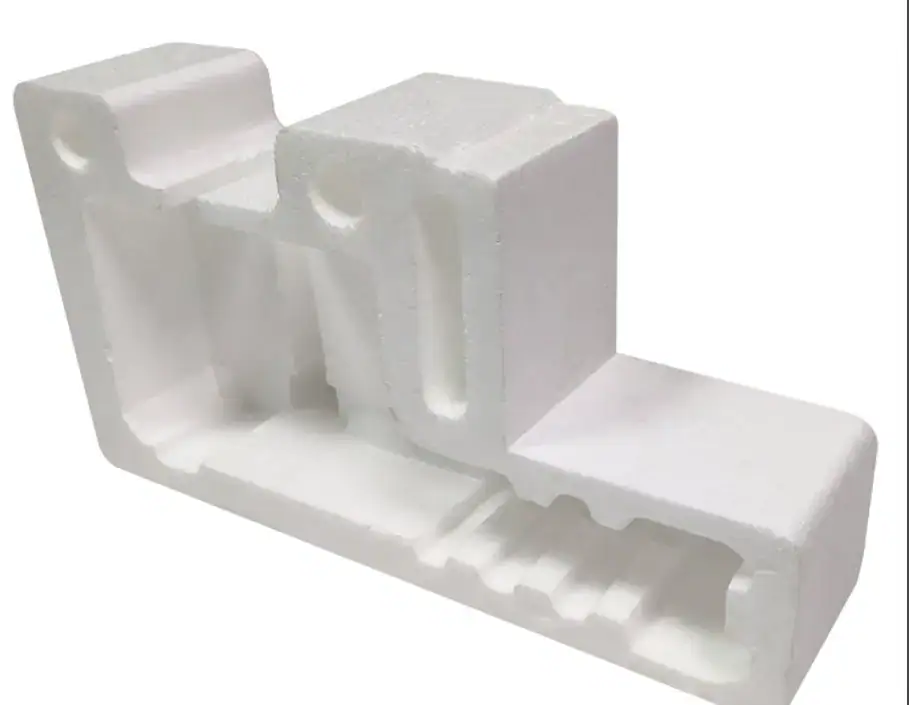
4-axis swivel head CNC routers do well when you need metal molds, automotive toy molds, and spiral blades that require side-milling finishing.
For example: Molds, Industrial Design, Aerospace, and Heavy Industry Sectors, High-End Custom Furniture, plus some 3D model making.
Unsuitable industries:
Not a good fit if your main work is flat cutting or simple sheet processing—like panel furniture nesting or basic sign making.
You might end up with idle equipment and wasted money.
Rotary Axis CNC Router
Rotary Axis CNC Router is a machine that adds a rotary axis to a traditional 3-axis CNC router.
Advantage:
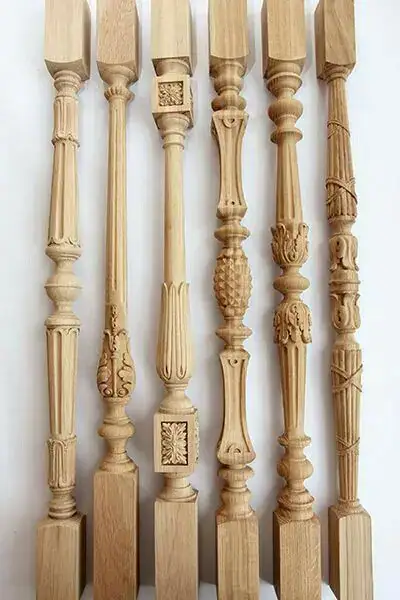
It can allow for 360°rotary carving, complete cylindrical objects in one clamping setup. Suitable for stair handrails, roman columns, and wood carvings to improve production precision and efficiency.
Shortcoming:
Limited in application industries. It has less obvious advantages for flat sheet material; programming and operation are more complex for a standard 3-axis CNC router.
Applicable industries:
This type of CNC router is used mainly in wood carving, architectural decoration (stair railings, Roman columns), cylindrical or rotary 3D work, handicrafts manufacturing, and musical instruments.

Unsuitable industries:
Besides, this machine is not suitable for cutting furniture panels, signage material, or simple flat sheet processing. If you have no requirement for cylinder column production or 3D rotary carving, this machine will not be a good choice.
4 Axis vs Rotary Axis
A Rotary Axis machine is just a regular 3 axis with a rotary add on. Good for basic cylindrical work. A true 4 axis router is a real upgrade—it runs on a full four axis control system. That’s proper four axis machining.
Dimensions | Swiveling Head (4th Axis) | Rotary Axis (4th Axis) |
Principle | Spindle Oscillation | Workpiece Rotation |
Strengths | 3D Curved Surfaces / Molds | Cylindrical / Rotational Bodies/Wood Carving |
Typical Workpieces | Metal/Shoe/Toy Molds | Roman Columns, Spheres,Buddha Statue |
Programming | High | Medium |
Price | High | Medium |
5 Axis CNC Router
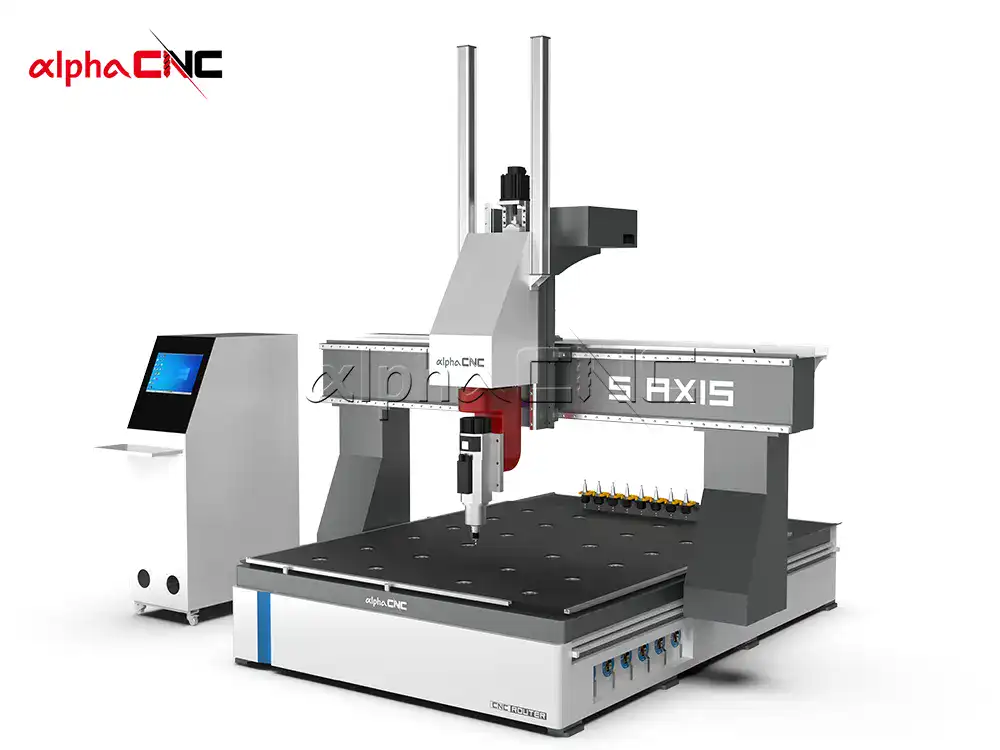
It starts with the standard X, Y, and Z axes, then adds two rotary axes. This type of CNC router gives you continuous machining from multiple angles. A high end machine for sure.
Advantage:
- 5-axis CNC router machine cuts shapes that 3‑axis and 4‑axis machines just can’t touch—like high‑precision, complex curved parts.
- Multi‑angle linked machining means one setup does the whole job. Better efficiency and consistency.
Shortcoming:
- 5 axis cnc router price is very high.
- You get full features, but programming is complicated.
- The machine itself is complex, so maintenance is tough and costs more.
- Plus, it leans hard on your shop’s technical skills and operator know‑how.
Applicable industries:
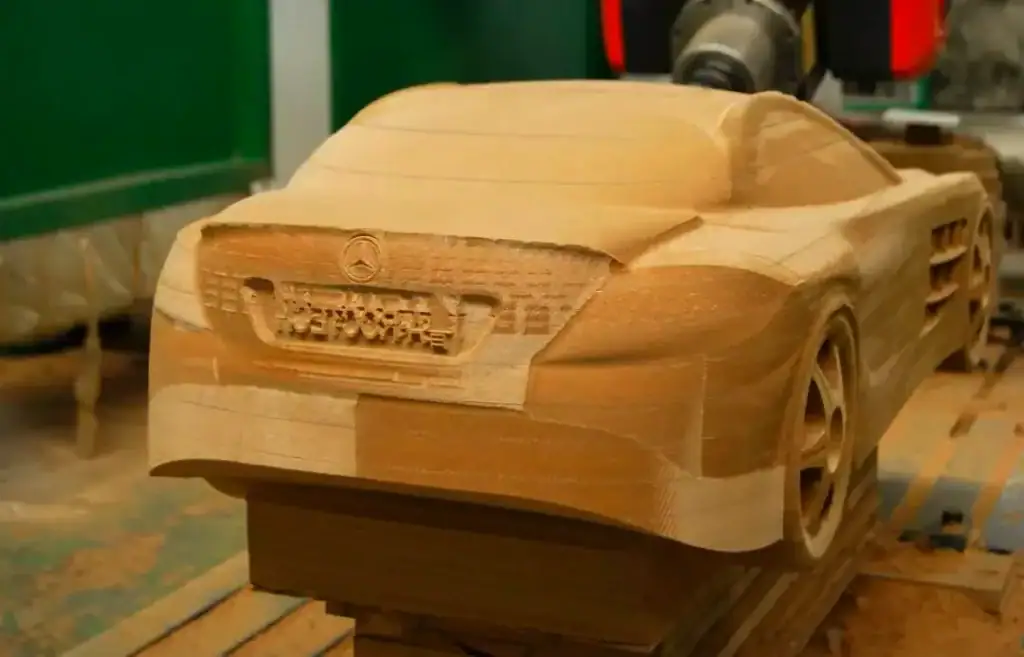
You’ll see these in high‑end mold making (auto, aerospace, industrial molds), complex 3D sculpture and art pieces, auto interior and exterior prototypes, boat and aircraft parts, high‑end wood carving and custom art furniture, plus medical models and precision prototypes.
Unsuitable industries:
If your shop only does flat cutting or basic carving—like nesting panels for standard furniture—stay away from a 5 axis cnc wood router
Same for small workshops on a tight budget, or if you don’t have the right people to handle CAM and the technical work.
Hobby CNC Router
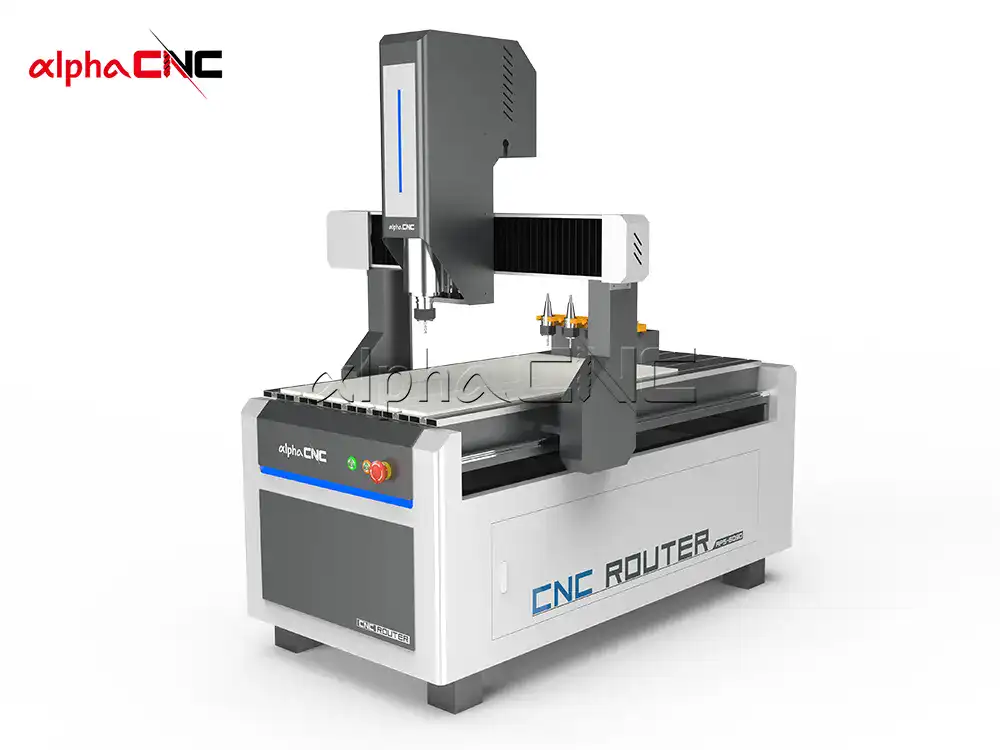
A small, lightweight CNC machine. Made for hobbyists and desktop use.
Advantage:
- Small size, low price, easy to run, and quick to learn.
- Good for beginners or small workshops doing basic cutting and carving on wood, plastic, or acrylic.
- Low barrier to entry.
Shortcoming:
- This type of CNC router frame isn’t very rigid, and the power is limited.
- You won’t get high precision or fast production.
- Heavy work or large batch runs are out of the question.
- Also, it’s not as stable or durable as industrial machines.
Applicable industries:
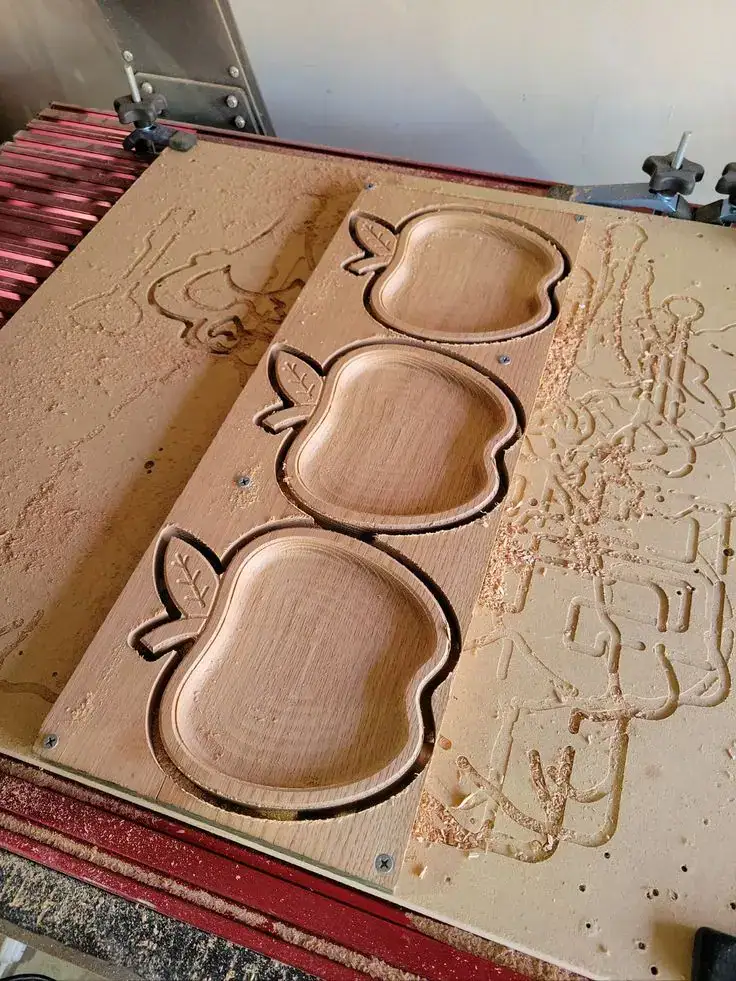
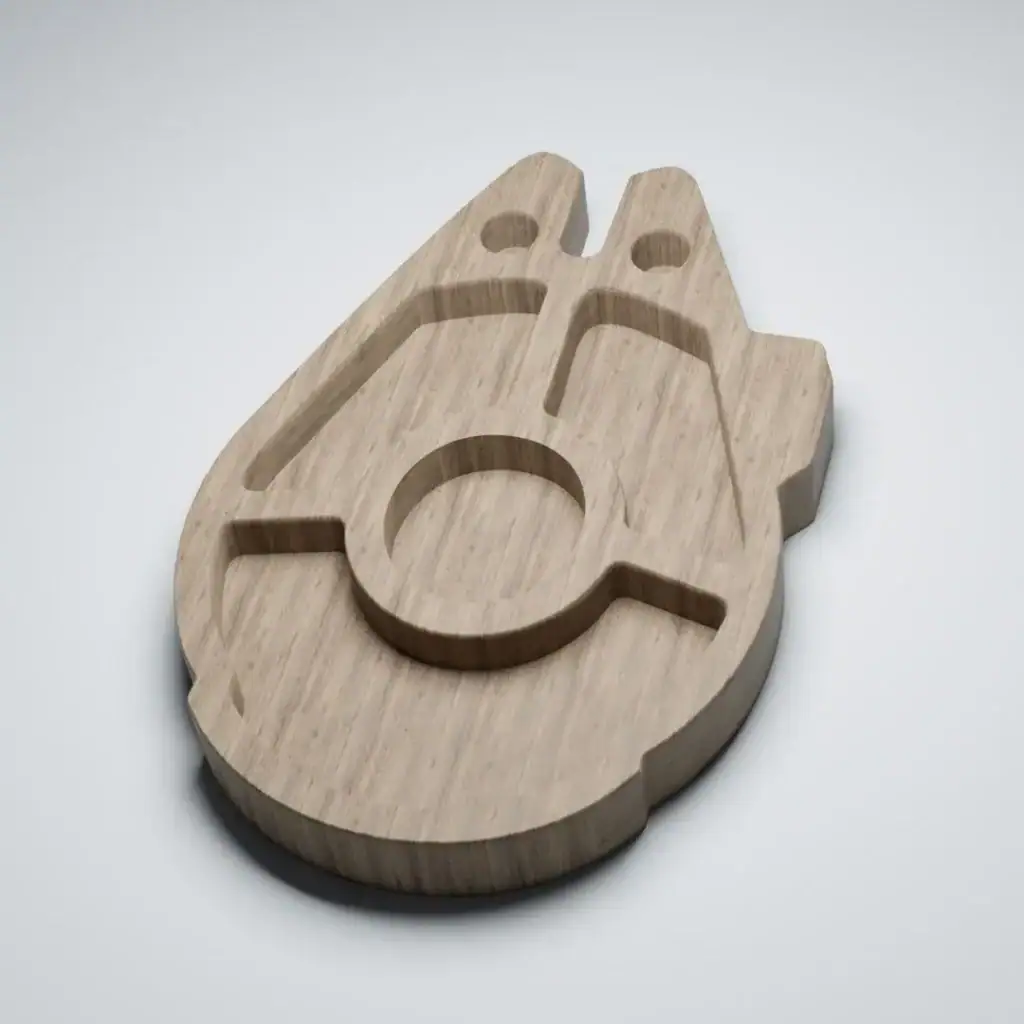
You’ll mostly see these in maker spaces, schools and training shops, DIY studios, small design offices, and places doing product prototypes.
Unsuitable industries:
It won’t handle metal or large sheets. And if you’re after high‑volume, high‑speed production, this isn’t the one.
Multi-Head CNC Router
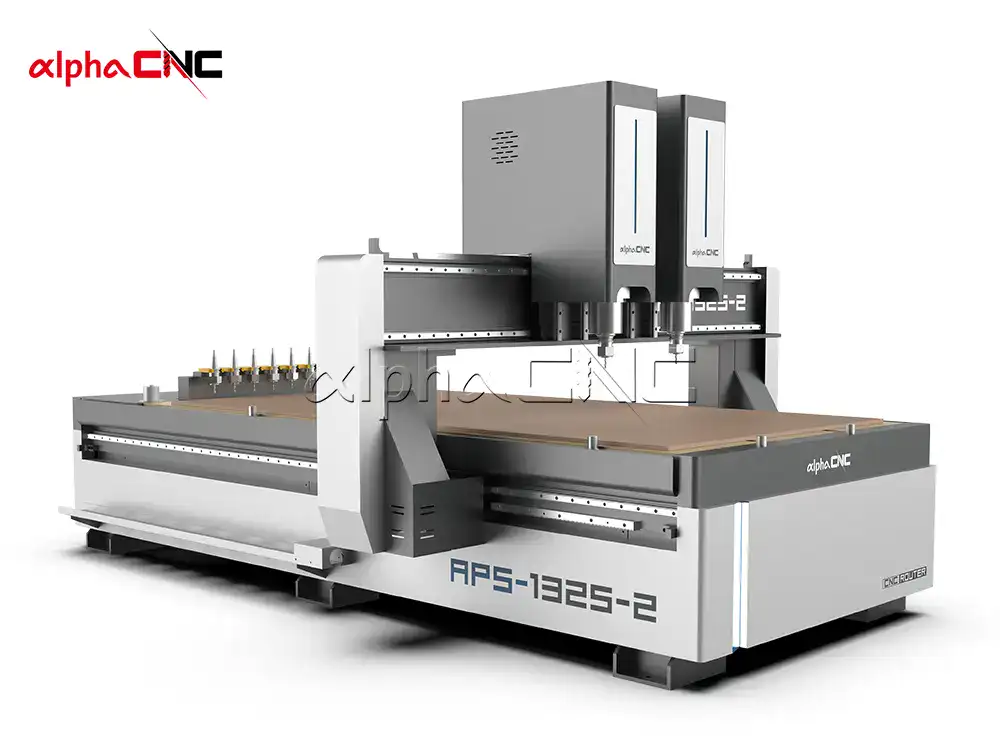
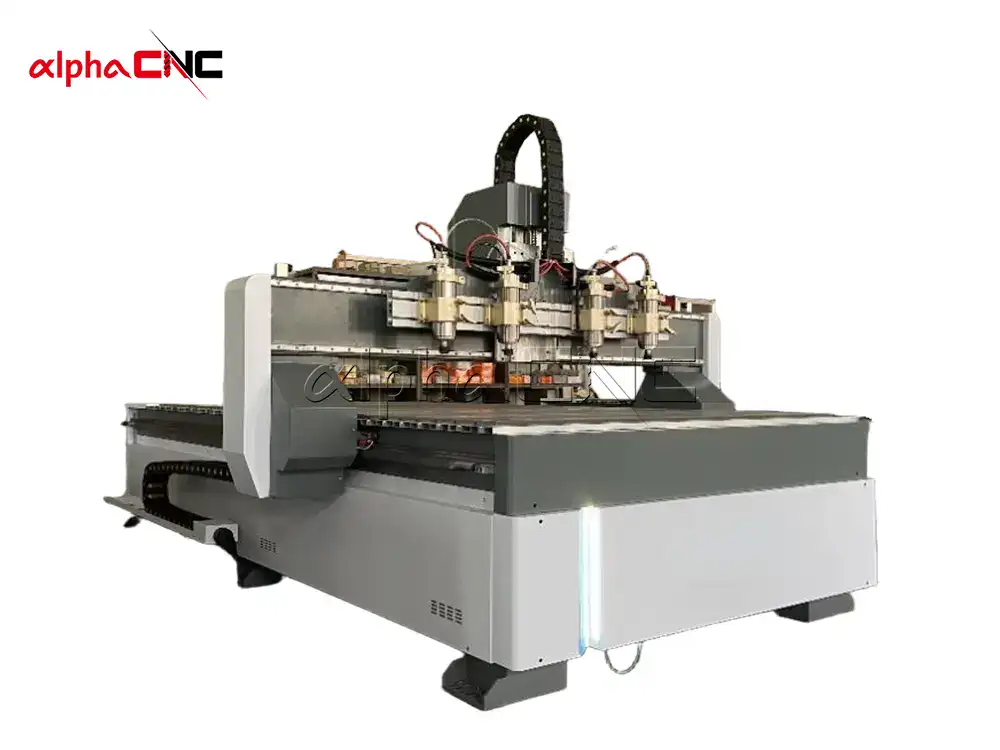
A multi‑head machine has two or more spindles working at the same time on one frame.
Advantage:
- Run several identical pieces at the same time.
- That means faster output and lower cost per part.
- All CNC router spindles work together, so you get better use of the machine and every piece comes out the same size.
Shortcoming:
- Not very flexible. You’re mostly stuck running the same job or simple repeating patterns.
- Complex or varied products? Not a good fit.
- Plus, setup and maintenance are trickier, and it eats more power.
Applicable industries:
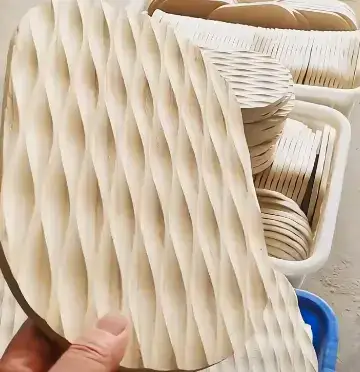
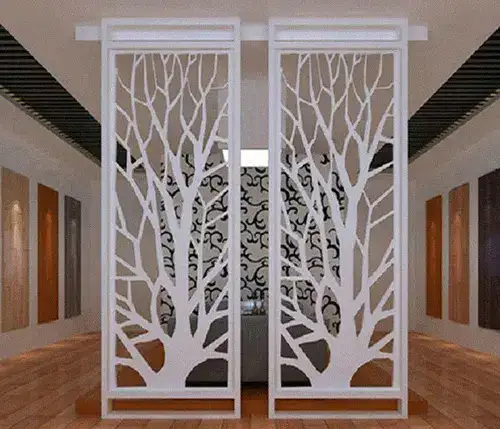
This types of cnc router machines show up in shops that crank out ad signs, furniture parts, craft carvings, or decorative panels by the thousands. Same job, all day long.
Unsuitable industries:
Skip this if your shop runs small batches of many different products or changes jobs often.
Also not for anyone who needs complex 3D work or high flexibility.
Mold Making CNC Router
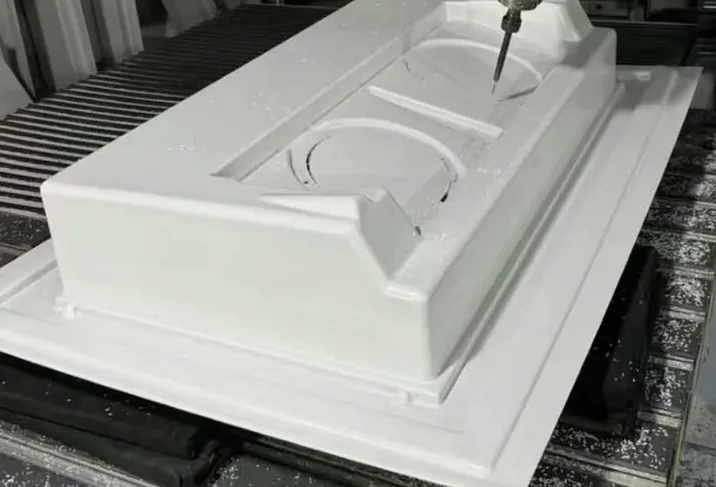
Mold Making CNC Router is a CNC machine that is used mainly for molds, models, and the processing of complex 3D workpieces.
Advantage:
Its advantages include accomplishing complex curved surfaces, high-precision shaping, and long-term running. It is suitable for processing foam/wooden/resin/automotive models and industrial prototypes.
Shortcoming:
This type of CNC router is not only expensive, but also has a lower process speed compared with mainly sheet cutting machines; it has high operational standards.
Applicable industries:
Applications include mold manufacturing, automotive/ship modeling, sculpture production, and product/industrial prototypes.
Unsuitable industries:
This type of machine is not suitable for cutting simple sheets, furniture components, or advertising signs, especially if you have a smaller budget for simple processing.
Stone CNC Router
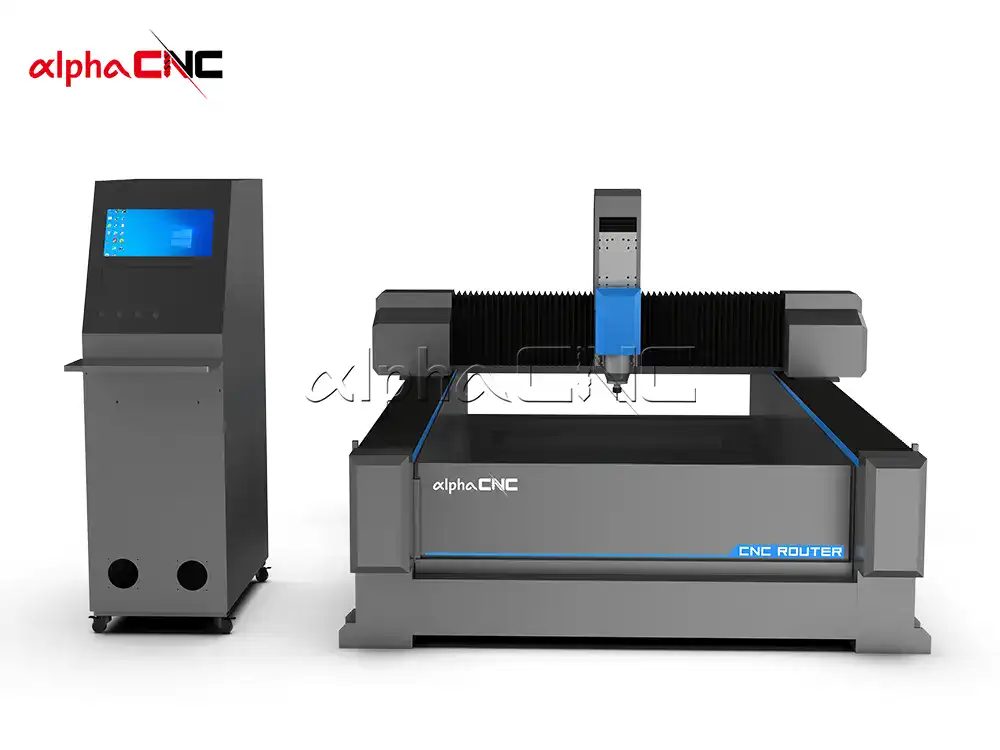
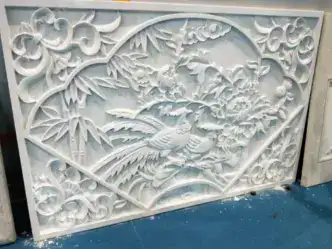
The Stone CNC Router is mainly used in processing hard materials, including marble, granite, artificial stone, and quartz stone.
Advantage:
Usually features high-speed spindles, a water cooling system, and a heavy-duty structure to meet stability and resistance during stone processing. It can perform stone carving, relief carving, and cutting.
Shortcoming:
Large equipment and high energy consumption require a big workspace. The machine also has strict requirements for the cooling and dust removal systems. Besides, its processing speed is lower than woodworking CNC routers.
Applicable industries:
This type of CNC router is mainly suitable for tombstones, stone craftsmanship, kitchen countertops, feature walls, and landscaping.
Unsuitable industries:
It is not suitable for businesses that focus on wood, acrylic, and signage, nor for those with a smaller budget or light processing requirements.
Nest Based CNC Router
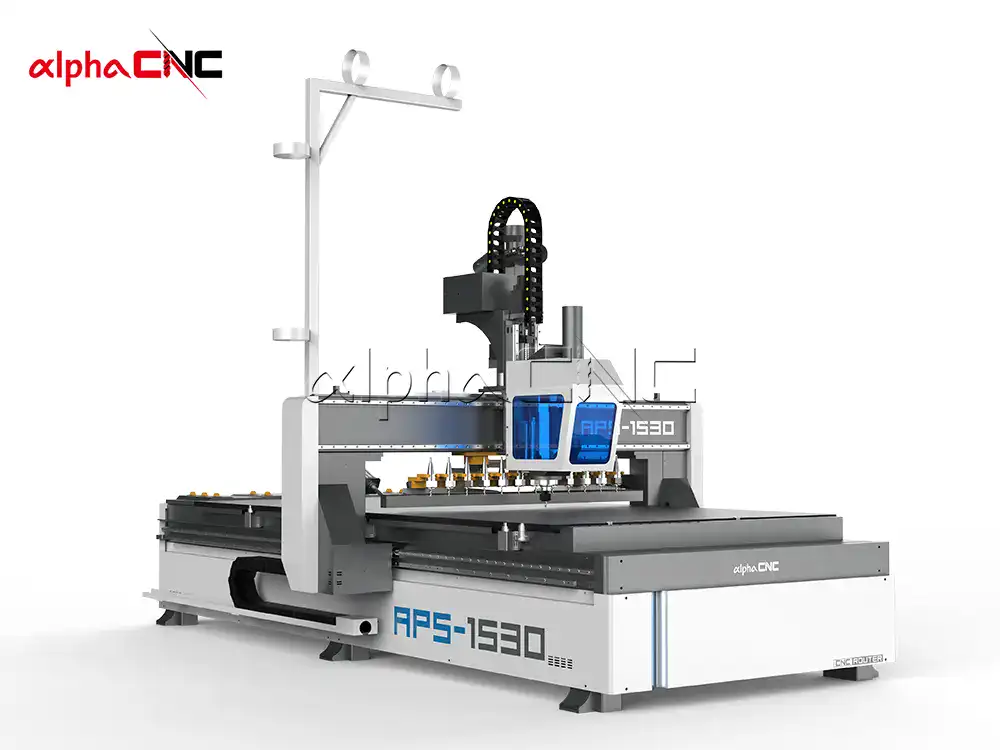
Nest Based CNC Router is the CNC equipment that is mainly designed for panel furniture production. It can automatically cut, drill, groove, and carve through nesting on a whole sheet
Advantage:
Nest Based CNC Routers maximize material use rate by integrating automatic loading and unloading into automatic production. They are designed to improve production efficiency and sheet usage, while reducing manual operation cost.
Shortcoming:
This machine is mainly for sheet production. Don‘t expect it to do complex 3D carving or intricate work. Also, the equipment and software cost is relatively high.
Applicable industries:
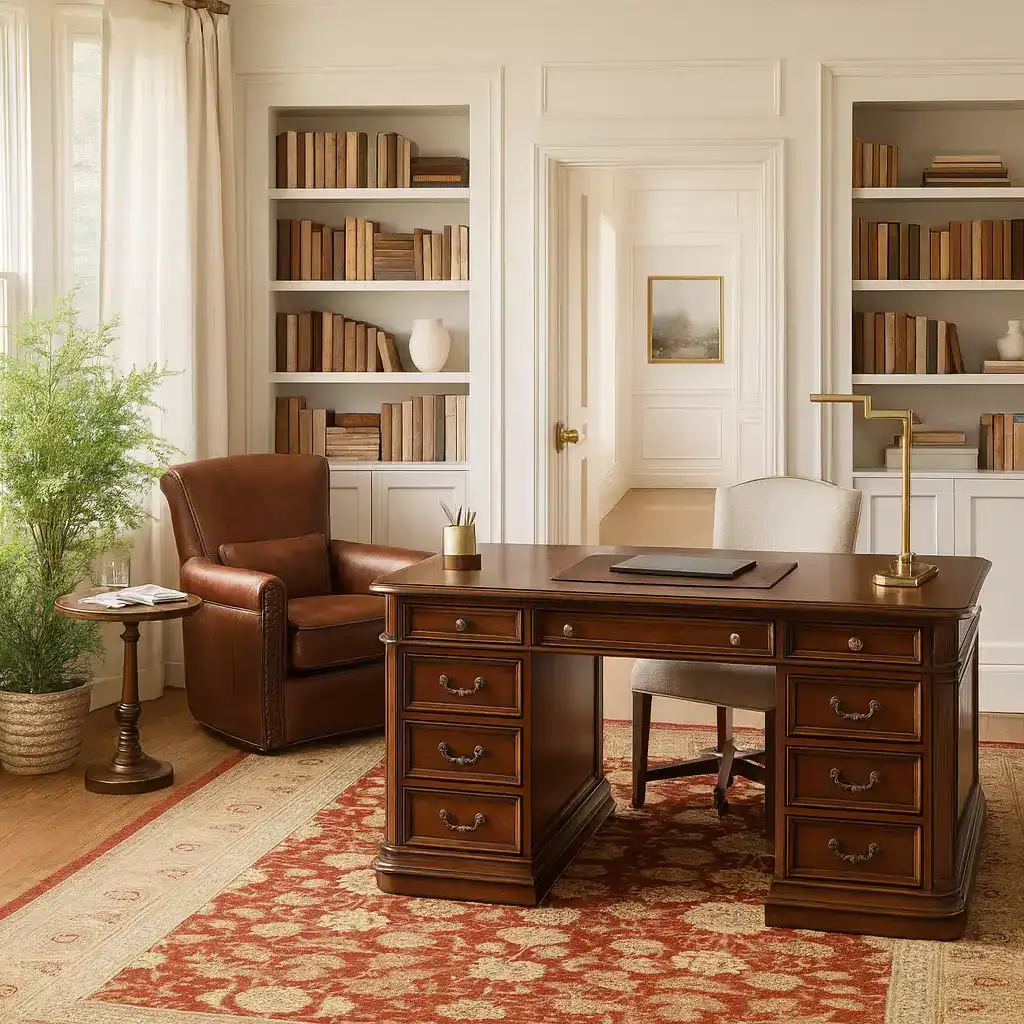
This machine works great for cabinets, wardrobes, and custom furniture. Office and panel furniture, too.
Unsuitable industries:
However, it is not suitable for factories that primarily do art carving, cylindrical machining, mold manufacturing, or complex 3D surface work. Users with small-scale orders and low automation requirements don’t need this machine.
Upgrade Notice:
If you use a general 3-axis CNC wood router at present, don’t worry about the machine becoming unused. Along with business expansion, many CNC routers can be upgraded to automatic tool changing and even develop into automatic loading and fully automated production solutions. This improves efficiency, decreases labor costs, and provides space for the future.
How These CNC Routers Compare
Type | Axis | Automatic Tool Change | Specializes in Processing | Price |
ATC CNC Router | 3~4 | Optional | Metal/Wood: Multi-Process Continuous Machining | high |
3 Axis CNC Router | 3 | Optional | Versatile for Flatwork, Reliefs, Signage, and Woodworking | low |
4-Axis Swivel-Head CNC Router | 4 | Optional | 3D Surfaces / Molds | Medium-High |
Rotary Axis CNC Router | 4 | Optional | Cylinder / Body of Revolution | Medium |
5 Axis CNC Router | 5 | Optional | Arbitrarily Complex and Multifaceted | Very high |
Multi-Head CNC Router | 3 | Optional | Batch Faceting | Medium |
Hobby CNC Router | 3 | Optional | Soft Materials / DIY | Very low |
Mold Making CNC Router | 3~5 | Optional | Mold Cavities / High-Hardness Materials / Precision Steel Molds | Very high |
Stone CNC Router | 3~4 | Optional | Marble / Granite / Tombstones / Stone Reliefs | Medium-high |
Nest Based CNC Router | 3 | Optional | Sheet Nesting & Cutting / Cabinet Doors / Layout Optimization | Medium |
Industry Reference Table
Industry | Best CNC Router | Main Benefits |
Cabinet Manufacturing | Nesting CNC Router | High-efficiency panel processing |
Furniture Manufacturing | ATC CNC Router | Automatic tool changes and versatile processing |
Wooden Door Production | 4 Axis CNC Router | Deep carving and decorative machining |
Interior Decoration | 3 Axis CNC Router | Cost-effective cutting and engraving |
Stair Manufacturing | Rotary Axis CNC Router | Round and cylindrical component processing |
Sign Making | 3 Axis CNC Router | Precise engraving and cutting |
Mold Manufacturing | 5 Axis CNC Router | Complex 3D surface machining |
Frequently Asked Questions (FAQ)

Do more expensive cnc routers make a difference?
The answer is yes. A high-end machine can take on more tasks.High-end machines are built with better components, which reduces maintenance and downtime while ensuring durability and long-term stability. Finished products will have higher quality, decrease material cost, reduce labor cost and overall production costs can be reduced by more than 25%.
Certainly, it does not mean cheap machines are not worth buying. It’s enough for individual hobbyists and small workshops to use occasionally. But for factories or growing companies, cost lot in start time can reduce risks and issues, ROI cycle is often shorter than you think.
How do I choose the right CNC router for my business?
Define your materials, production size, and requirements. Choosing the functions(such as spindle power, precision, control system, and structure) of machines, depending on your budget. Certainly, evaluating brand reputation and after-sales service is important. Contact our team, and we will provide you with the most suitable solution. Make sure to maximize your investment profit
which type of cnc router is best for furniture woodworking
The most suitable machine for furniture woodworking is a 3-axis or 4-axis CNC router. 3-axis machines satisfy a wide range of sheet cutting, relief, and basic shapes((such as 1325/1530/2030 atc cnc router). 4-axis CNC router features the rotary axis, which can process complex 3D workpieces, like chair legs, irregular curved surfaces, and provides higher precision and flexibility. Choice is based on process complexity and budget.

What is the best CNC router for a small shop?
The best choice for small workshops is an entry-level CNC router, like a 3-axis CNC router. It is usually budget-friendly and multi-functional, which is suitable for processing wood, acrylic, and soft metal. You can choose the stable machine with a mid-work area, easy operation, and low -cost maintenance. They balance brand reputation and after-sales service to make a long-term use.
Final Thoughts
You already know the specs. So let’s cut to the chase.
At ALPHA CNC, we’ve seen too many people buy the wrong machine. That’s an expensive mistake we’d rather you not make.
Just send us a message on the right. Tell us what material you work with and roughly how much you need to get done per day. We’ll tell you which model actually makes sense.
We’ll also send you a real quote — no hidden extras.
📞WhatsApp us here: +8618615409281
📫Mail:info@alphacnc.com
Just say: “I work with [material] — which machine should I look at?”


