
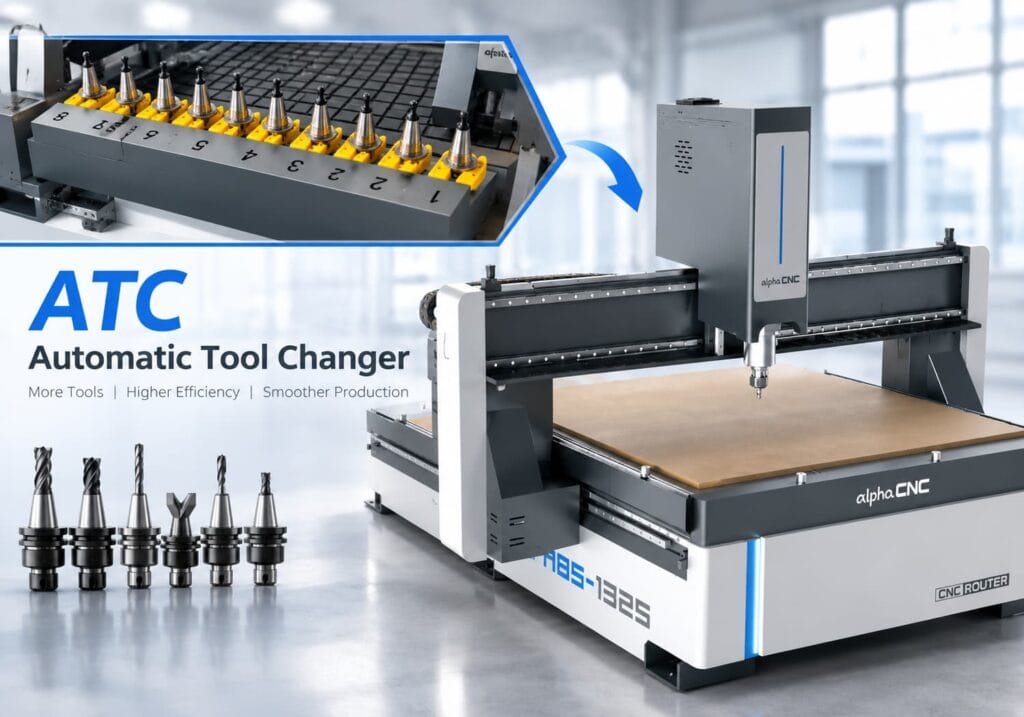
An automatic tool changer can select and change tools automatically according to the machining program, enabling different machining processes to be continuously completed in a single setup, which can reduce manual operation time and tool-change waiting time. In this article, you will learn about the working principle, components, and benefits of the automatic tool changer and whether it is suitable for your CNC machining requirements.
1. What Is a CNC Automatic Tool Changer
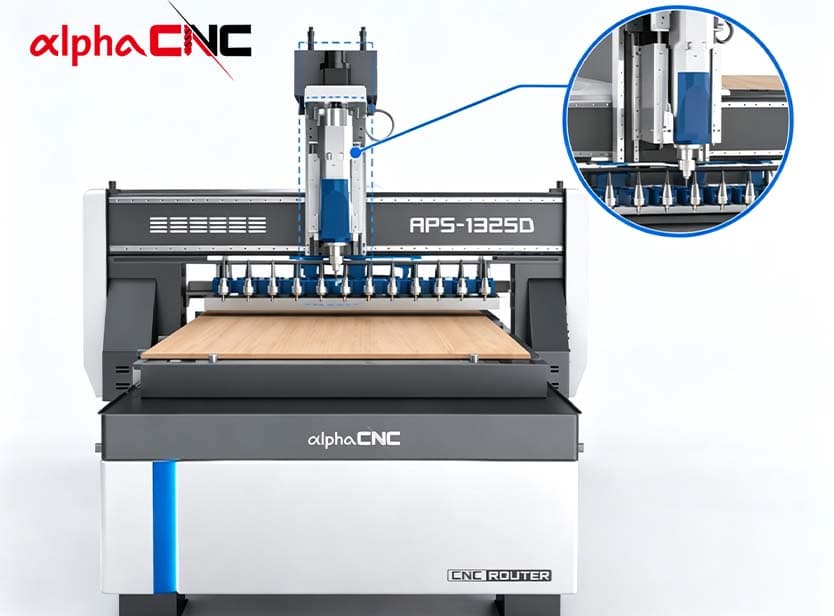
A CNC automatic tool changer is a tool-changing system installed on a CNC router. It usually consists of a tool magazine, spindle, tool holder, and control system.
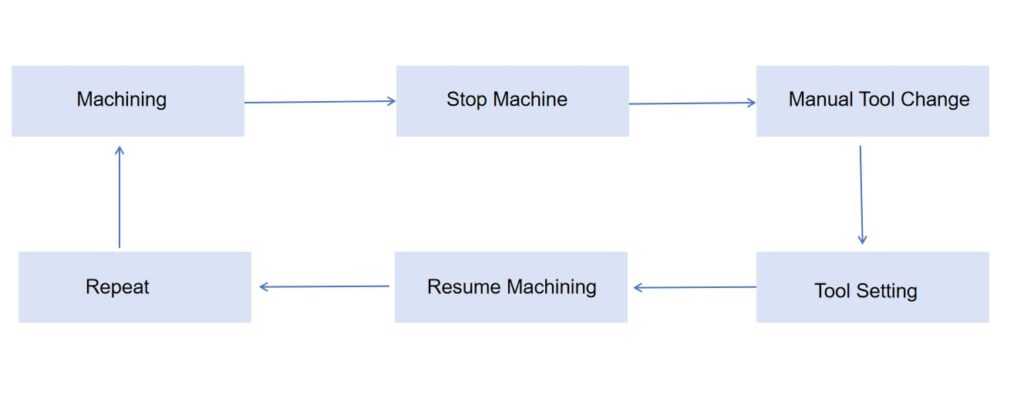
Manual Tool Change vs. Automatic Tool Change
If you use a manual tool change CNC router:
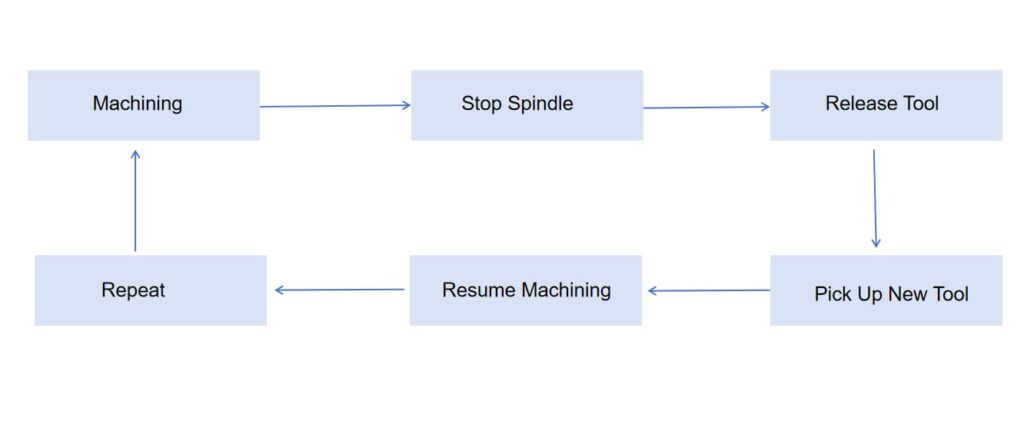
If you use an automatic tool change CNC router:
2. What Are the Main Components of an Automatic Tool Changer
An automatic tool-changing system operates through the coordination of multiple mechanical and control components.
ATC Spindle
The ATC spindle is one of the core components of the automatic tool-changing system. Compared with a regular CNC router spindle, an ATC spindle is equipped with an automatic tool clamping and unclamping mechanism. The CNC control system sends out a tool-change command; the ATC spindle can automatically release the current tool and clamp the next tool.
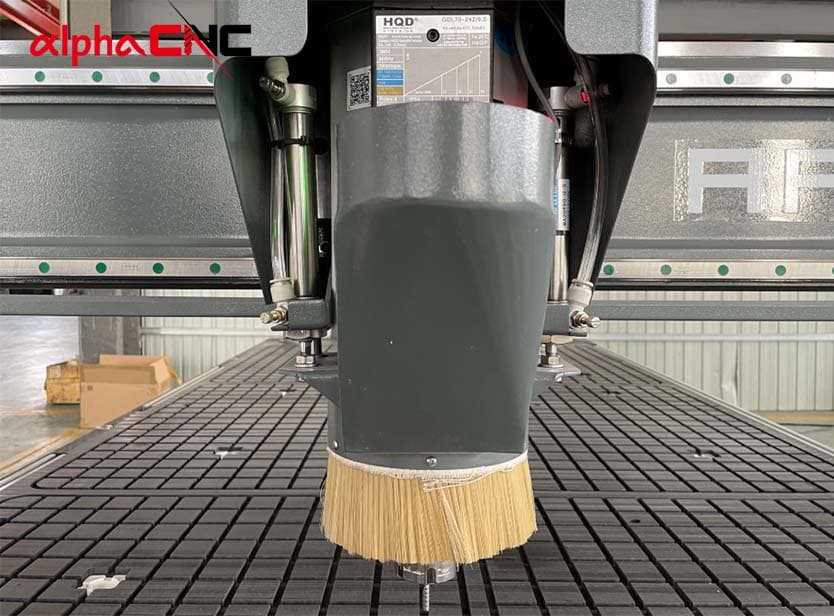
When choosing an ATC spindle, you usually need to pay attention to the following aspects:
- Spindle Power: It affects the materials and cutting capabilities that the machine is suitable for, and needs to be selected according to the actual machining load;
- Spindle Speed: Different materials and tools have different requirements for spindle speed;
- Tool Clamping System: The common automatic tool clamping structures need to match the tool holder specifications;
- Cooling Method: There are two common methods, air cooling and water cooling;
- Tool Compatibility: The spindle, tool holder, and tool need to use matching specifications; otherwise, the automatic tool change cannot be completed normally.
Tool Magazine
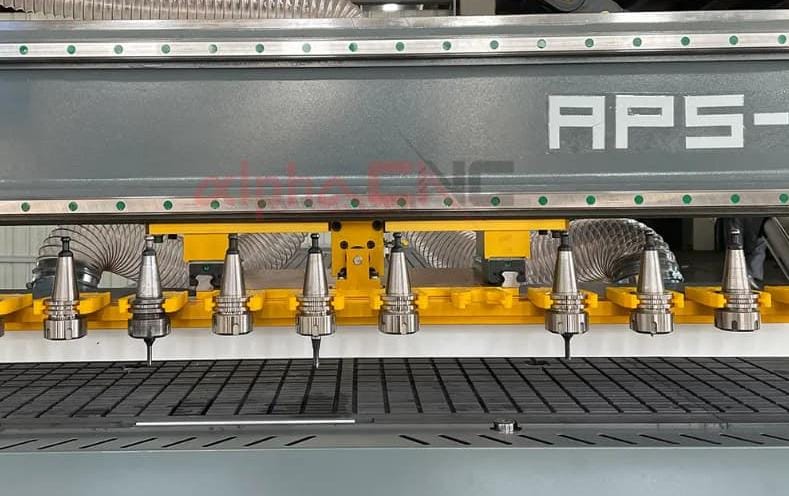
The tool magazine is used in the automatic tool-changing system to store various tools. Before machining starts, the operator will install different types of tools on tool holders according to the machining requirements, and place them in the corresponding positions in the tool magazine according to their numbers.
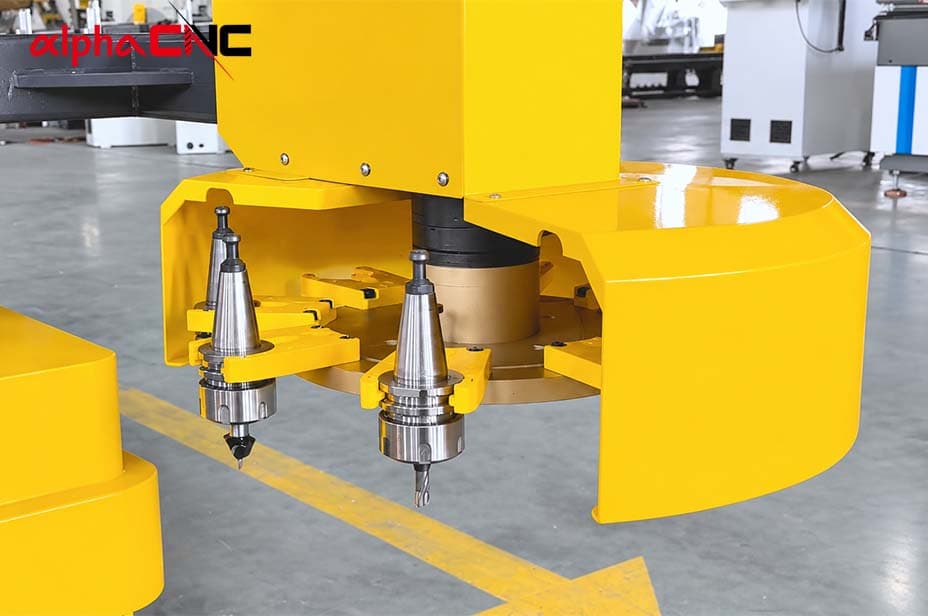
According to their structure, the common tool magazine types for CNC routers mainly include linear tool magazines and carousel tool magazines. A linear tool magazine arranges multiple tool positions in a straight line, with tools stored in fixed positions. Its structure is relatively simple, and the tool magazine is usually installed on one side or at the rear of the machine’s working area. A carousel tool magazine arranges multiple tool positions in a circular pattern and moves the specified tool to the tool-changing position by rotating the tool magazine.
Tool Holder
The tool holder in the automatic tool-changing system is an important component that connects the tool and the ATC spindle. In an ATC CNC router, the tool is usually installed on the tool holder in advance, and the tool holder with the installed tool is placed in the tool magazine. When the control system sends a tool-change command, the system will return the current tool to the tool magazine and take out the next pre-installed tool from the tool magazine.
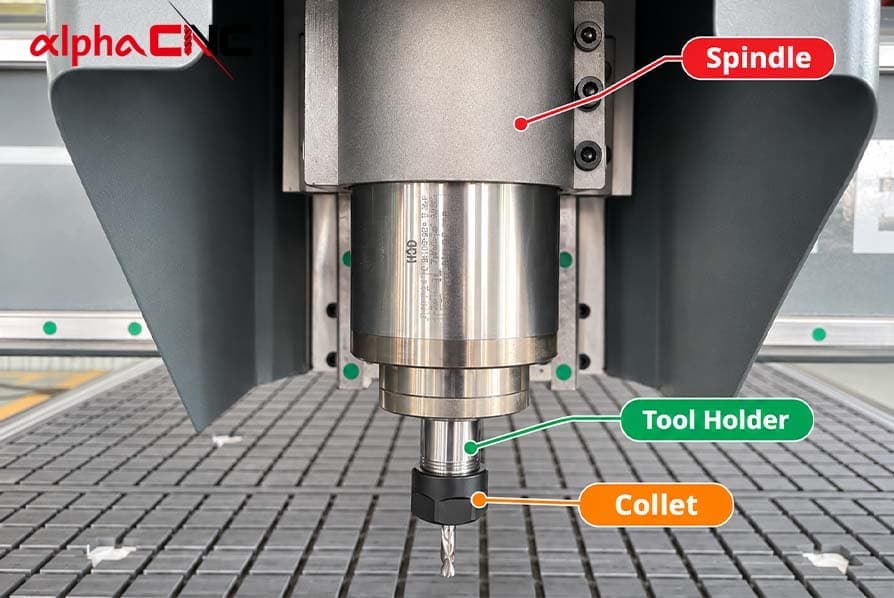
Different CNC machines use different tool holder interfaces according to the ATC spindle and tool system, such as ISO 30, BT, and HSK. However, the specific tool holder type still needs to be matched according to the ATC spindle, tools, and the tool-changing system of the entire machine, rather than being selected based on the tool holder specification alone.
CNC Controller
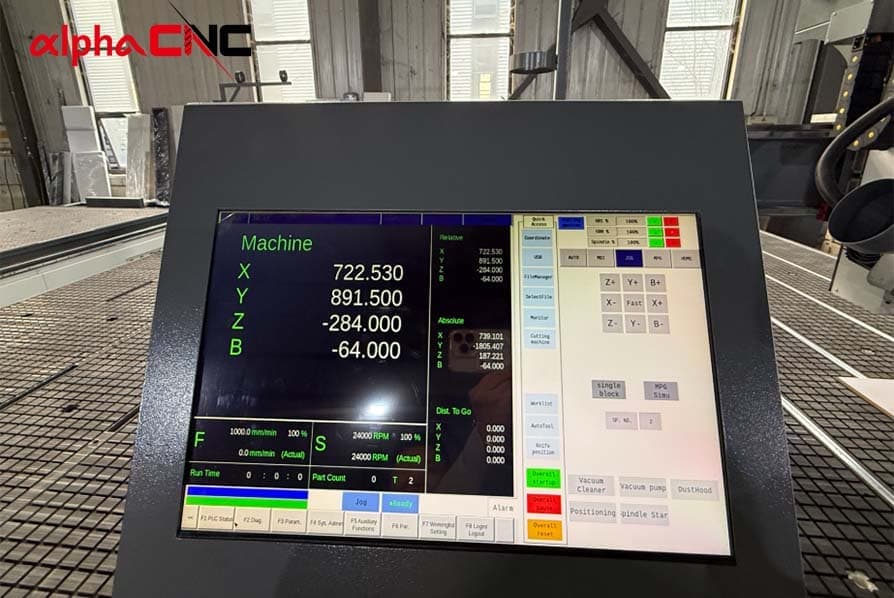
The CNC controller is responsible for controlling the entire automatic tool-changing process and is also an important component of the automatic tool-changing system for achieving automated operation. When the machining program needs to use different tools, the CNC controller will issue a tool-change command according to the preset tool number and machining program, and coordinate the ATC spindle and tool magazine to complete the tool-changing operation.
Automatic Tool Sensor
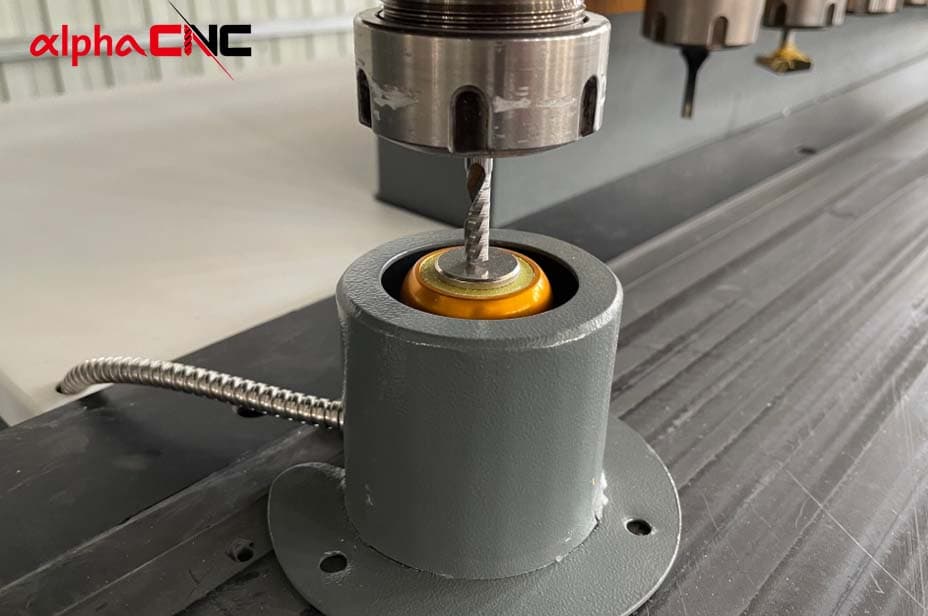
The automatic tool sensor is used to detect the position and length of the tool installed on the spindle. After changing to a different tool, the length of the tool may vary, and the system needs to obtain the corresponding tool length information so that the CNC controller can adjust the machining position.
3. How Does an Automatic Tool Changer Work
The tool changing process of a CNC automatic tool changer is completed through the cooperation of multiple components, including CAM software, the CNC controller, the ATC spindle, the tool magazine, and, where applicable, an automatic tool sensor. The entire process can be simply understood as the following steps:
Step 1: CAM Software Generates the Machining Program
Before the machining process begins, the operator first generates the machining program in CAM software such as ArtCAM, Alphacam, or Aspire. Then, the operator predefines the tools to be used for each machining step within the program.
Step 2: CNC Controller Receives the Tool-Change Command
After the current process is completed, the CNC control system will read the tool required for the next machining step and issue a tool-change command.
Step 3: Spindle Stops Cutting
The spindle stops rotating and travels to the programmed tool change position after the tool-change command is received.
Step 4: Current Tool Is Released
The spindle moves to the corresponding tool magazine position, and the spindle completes the tool unclamping action, releasing the current tool from the spindle. The released tool then returns to the corresponding tool position in the tool magazine.
Step 5: Required Tool Is Selected
The spindle moves to the target tool position, and then installs the new tool on the spindle with the clamping device.
Step 6: Tool Clamping Is Confirmed
After the new tool is installed, the system performs the corresponding tool setting. For CNC routers equipped with an optional automatic tool sensor, the automatic tool setting device can measure the tool length and obtain the tool parameters required for the current tool.
Step 7: Spindle Returns to Machining
After confirming that the tool change is completed, the spindle returns to the machining position and continues to execute the machining program corresponding to the current tool.
Step 8: Repeat When Another Tool Is Needed
When subsequent machining processes require other tools, the CNC controller will issue a tool-change command again, and the machine will repeat the above process until the entire machining program is completed.
4. What Are the Benefits of an Automatic Tool Changer
For CNC routers that require multiple tools to complete machining, the value of an automatic tool changer is mainly reflected in reducing downtime and making multi-process machining more continuous.
Reduce Tool Change Time
An automatic tool changer can automatically complete tool changes according to the machining program, thereby reducing the operating time required for each tool change.
Suitable for Multi-Tool and Multi-Process Machining
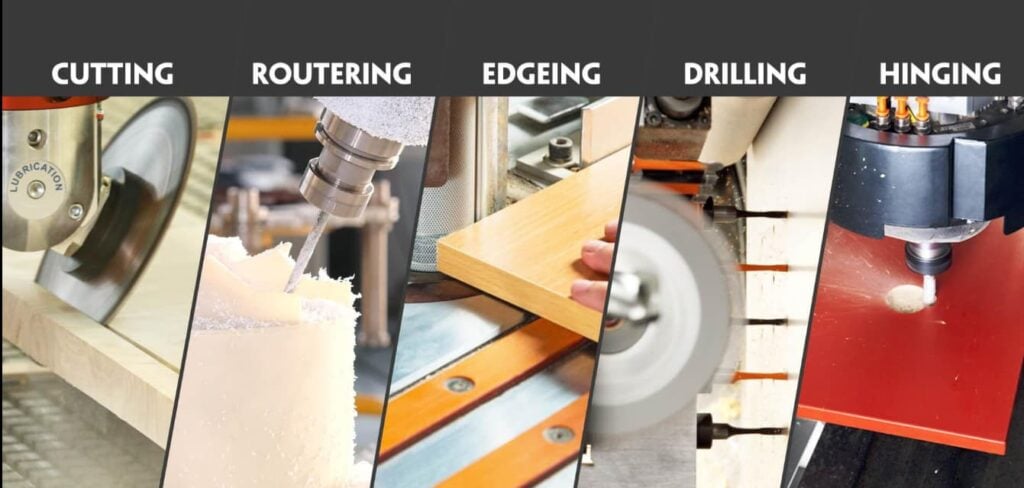
One of the most suitable scenarios for ATC is when a workpiece needs to complete different machining processes using multiple tools. For example, furniture panels may need to be cut, grooved, and drilled, while wooden doors or decorative parts may require rough machining, engraving, and finishing. After a CNC router is equipped with an automatic tool changer, multiple tools can be placed in the tool magazine in advance and automatically called by the CNC program according to the machining sequence, allowing a workpiece to continuously complete multiple machining operations.
Reduce Repeated Tool Setting Operations
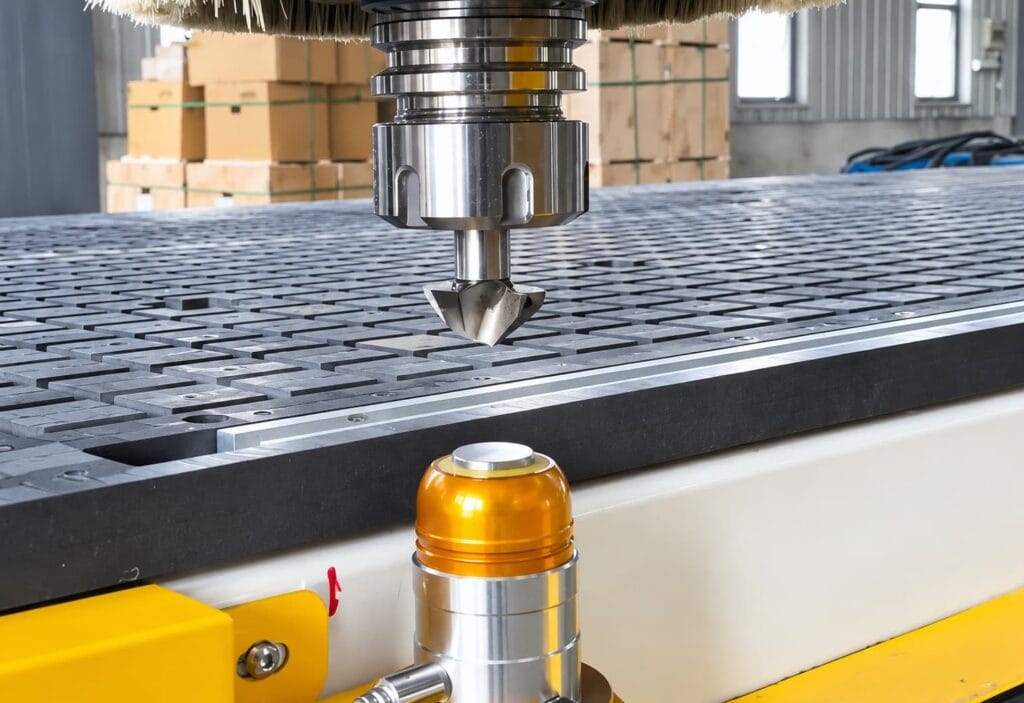
The benefits of an automatic tool changer are not limited to automatic tool changes; they also include the management and setting of multiple tools. For CNC routers equipped with an automatic tool sensor, the machine can measure the length of the tool after it is changed and help the CNC system obtain the corresponding tool parameters. Compared with frequently carrying out manual measurement and setting during machining, this method can reduce the repetitive work of the operator and also make it easier to use multiple tools in the same machining program.
Facilitate the Expansion of Automation Configurations
ATC CNC routers also make it easier to further expand automation functions. Since the tool-changing process is already automatically controlled by the CNC system, the machine can be further combined with functions such as automatic loading and unloading and nesting. For factories that plan to gradually increase the level of automation as production volume increases, this expandability has certain value.
5. What Can an Automatic Tool Changer Be Used For?
Automatic Tool Changer for Panel Furniture and Cabinet Machining

Furniture and cabinet production mainly uses sheet materials such as MDF, plywood, and particle board. A sheet may require several operations, including cutting, grooving, drilling, and milling. With an automatic tool changer, the required tools can be prepared in advance according to the machining program.
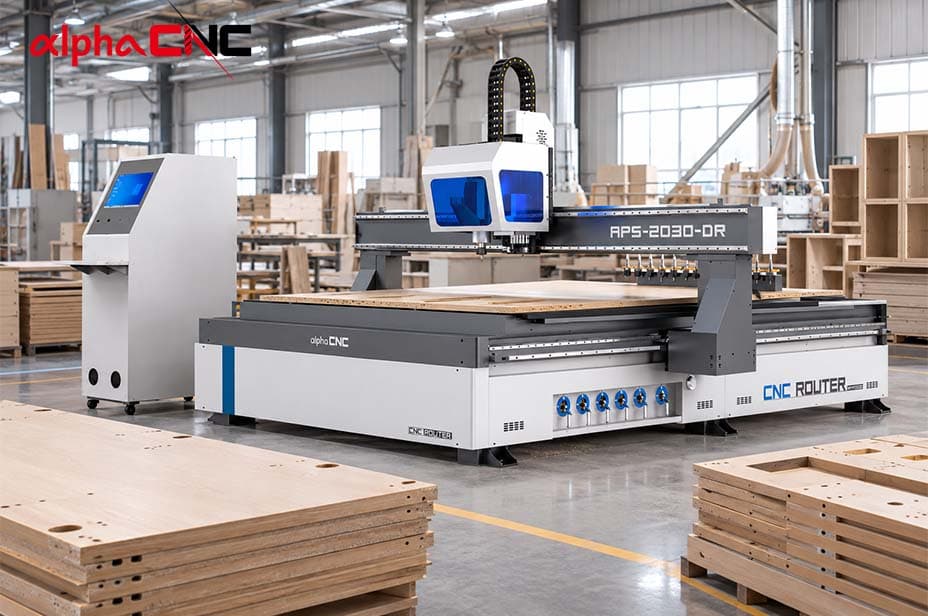
For furniture and cabinet production that needs to complete both sheet cutting and drilling at the same time, we recommend an ATC CNC router for woodworking with a multi-drill unit configuration. The ATC in this type of configuration is mainly responsible for automatically switching between different tools, while the multi-drill unit is mainly used to complete the drilling process on sheets in batches.
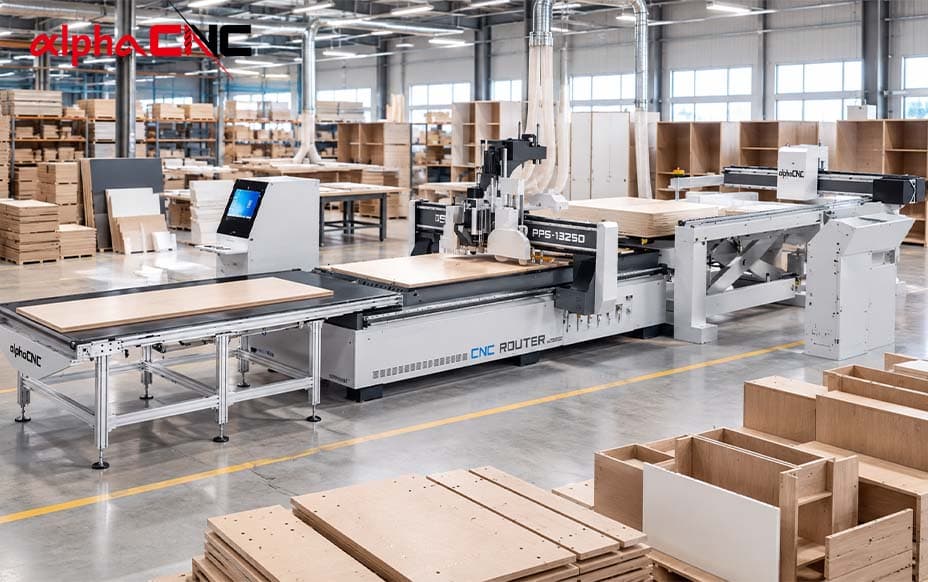
If your woodworking business is relatively large, you can also consider a CNC router with a higher level of automation. For example, if you want to reduce not only the time spent on manual tool changes, but also the time spent on different processes such as loading and unloading, labeling, and drilling, we recommend that you consider a configuration such as an industrial CNC router with automatic loading, labeling, drilling and cutting. This type of machine configuration combines an automatic tool changer with functions such as automatic loading and unloading, labeling, drilling, and cutting, and is very suitable for the automated production of panel furniture.
Automatic Tool Changer for Decorative Panels and 3D Wood Carving
The common characteristic of decorative panels, wooden doors, and 3D wood carving is that they have many machining processes, and the same workpiece often needs to use different types of tools. If you need to process these types of products, we recommend that you consider a 3-axis ATC CNC router or 4-axis ATC CNC router.
A 3-axis ATC CNC router may be suitable for:
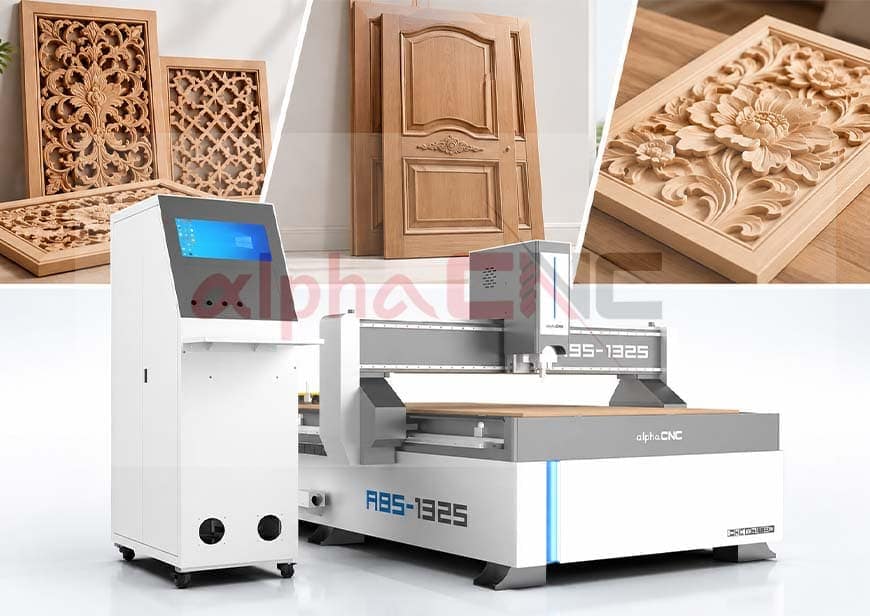
- Decorative Wood Panels: Wooden decorative panels, carved panels, hollowed-out panels;
- Wooden Door Panels: Wooden doors with lines, grooves, reliefs, or decorative patterns;
- Flat 3D Wood Carvings: Wooden products that mainly involve reliefs, pattern carving, and 3D texture machining on one surface.
A 4-axis ATC CNC router may be suitable for:
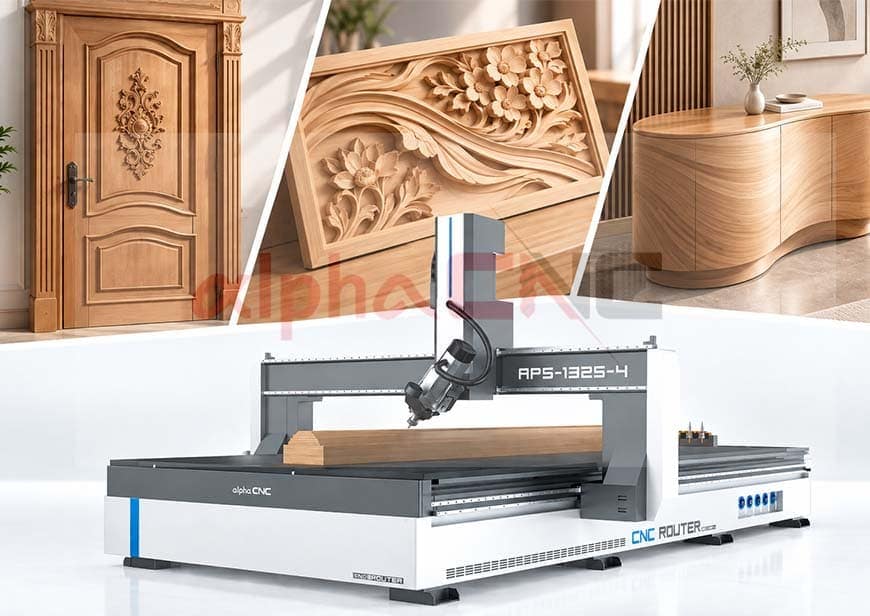
- Complex Wooden Doors: Wooden doors with complex decorative structures, inclined surfaces, or requiring changes in machining direction;
- Multi-Angle Decorative Panels: Decorative panels containing inclined surfaces, side surfaces, or complex 3D structures;
- Complex 3D Wood Carvings: 3D wood carving products that require machining in different directions.
Automatic Tool Changer for Advertising Signs and Custom Machining
In the advertising signs and custom product machining industry, orders generally have the characteristics of a wide variety of styles, small batch quantities, and many required processes. Ordinary CNC engraving machines require manual machine stops for tool changes, which not only wastes time but can also easily cause positioning deviations. A CNC router with an automatic tool changer can solve this pain point.
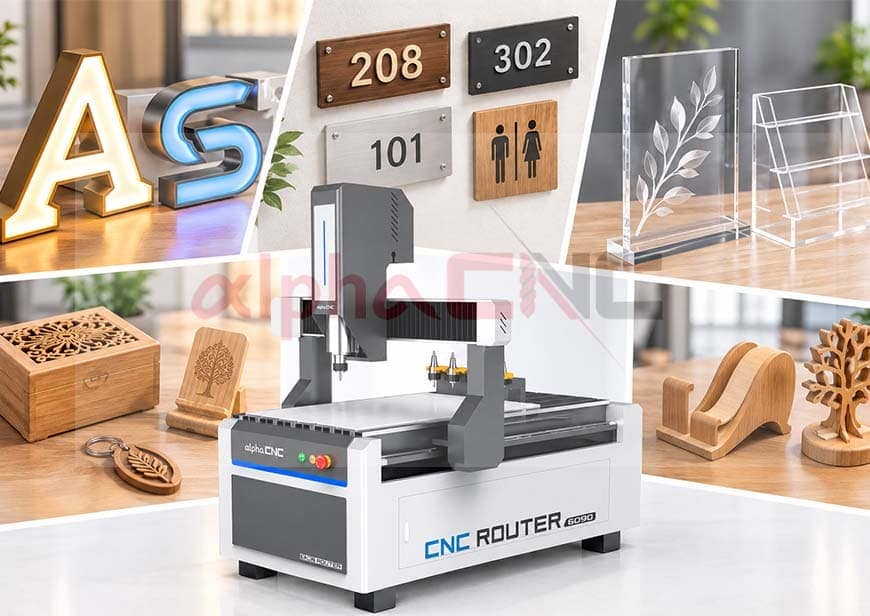
If your factory mainly produces small advertising letters, door signs, signboards, acrylic display pieces, and small wooden custom products, you can consider a 6090 ATC CNC router. It does not occupy much floor space, has a relatively low investment cost, and provides an automatic tool-changing function.
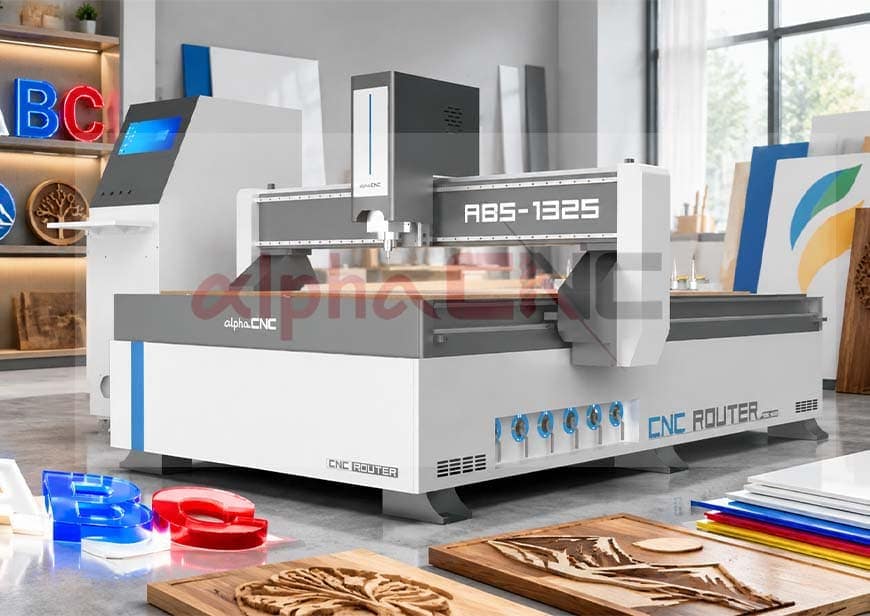
If you mainly undertake the machining of products such as large advertising signs, acrylic letters and signs, PVC advertising boards, and wooden signs, we recommend that you choose a 1325 ATC CNC router. This machine has a wider range of applications. If you want to take on some panel furniture or cabinet machining orders in the future, the 1325 ATC CNC router can also meet your needs.
FAQ
How Much Does an ATC CNC Router Cost?
A CNC router with an automatic tool changing function usually costs $4,000-$50,000+. The price of a specific machine depends on its overall configuration, including the working size, tool magazine capacity and type, spindle, and control system. If you also want to choose optional configurations such as a dust collection system or a higher-power spindle, this will also affect the machine quotation.
Is an ATC CNC Router Difficult to Operate?
Generally speaking, an ATC CNC router is not difficult to operate. Its machining method is similar to that of a regular CNC router. The main difference is that when a tool needs to be changed, the machine will automatically complete the tool change according to the program. The operator only needs to prepare the tools and set the machining program. Especially for people who are already familiar with the basic operation of CNC machines, using a machine with an automatic tool-changing function will be easier.
How Many Tools Can an Automatic Tool Changer Hold?
The actual tool magazine capacity also needs to be determined according to your production requirements and production volume. Based on the tool configuration experience of previous customers, if the machine is mainly used for sheet cutting and simple engraving, 6–8 tools may be enough to meet production needs; if cutting, grooving, drilling, and engraving need to be completed continuously in one machining process, you can consider a tool magazine with 8-12 or 16 tools.
How Long Does an Automatic Tool Changer Last?
The ATC CNC machine can be used for 10-15 years, provided that you can use and regularly maintain the machine as per the machine instructions. Based on our manufacturing and after-sales experience, daily maintenance is very important for the long-term stable operation of the ATC system.
How Do I Choose the Right ATC CNC Router?
When you are selecting an ATC CNC router, first define your production requirements and then compare machine types and configurations. In addition, choosing an experienced CNC router manufacturer is also important. We can combine your actual machining requirements and previous project experience to help you determine a more suitable machine configuration.
ATC CNC Solutions from Alpha CNC
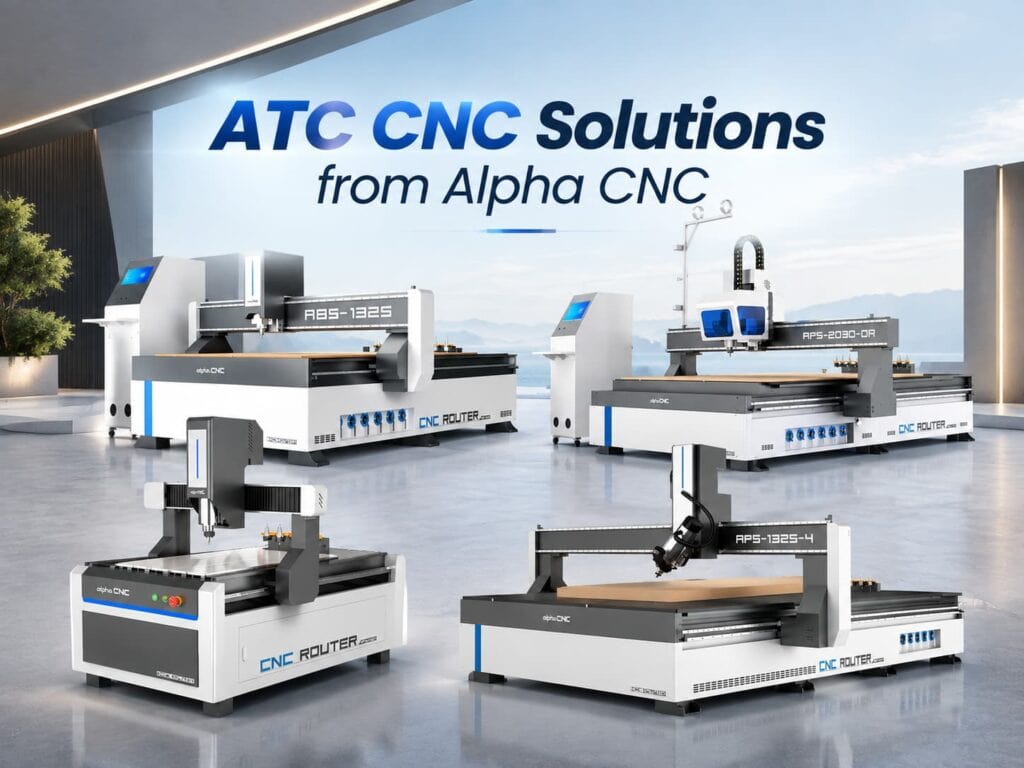
Alpha CNC provides ATC CNC router solutions for different machining needs, from small 6090 ATC CNC routers to 1325 ATC CNC routers suitable for sheet material machining, as well as configurations with multiple axes, a multi-drill unit, and a higher level of automation, all of which can be selected according to actual production needs. Just tell us your machining requirements, and we will customize an ATC CNC router for you.


